
Driveway Damage Doesn’t Always Require Replacement
Small Cracks and Surface Wear Can Often Be Repaired
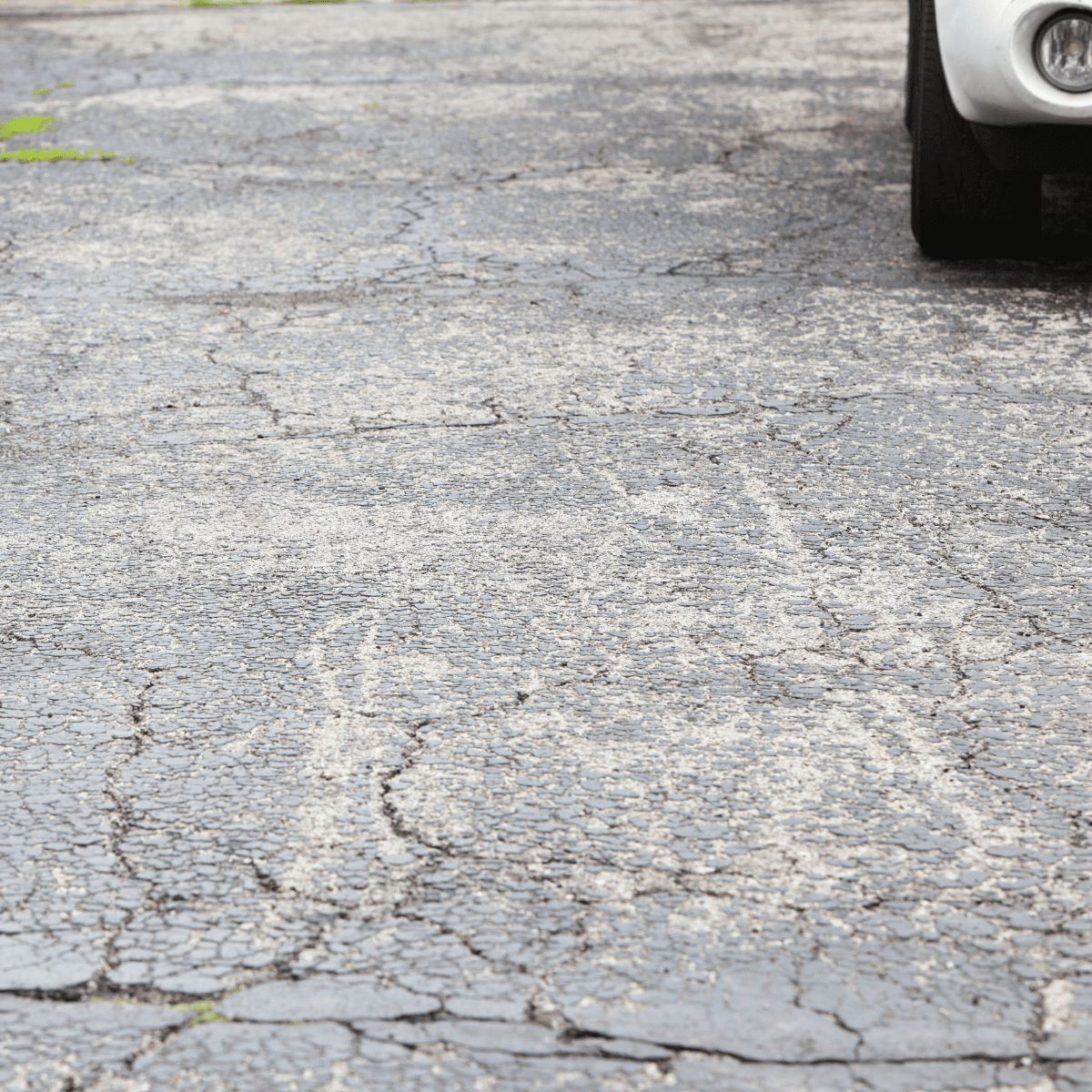
Narrow, stable cracks don’t always indicate serious driveway failure. Some develop while concrete cures, while others appear after minor soil movement or years of normal use. Proper crack filling or sealing can help prevent water from entering and improve the driveway’s appearance. Surface problems such as staining, fading, pitting, or minor scaling may also be addressed through cleaning, patching, or concrete resurfacing. Resurfacing applies a fresh bonded layer over structurally sound concrete and can create a cleaner, more consistent finish. However, these methods won’t correct major sinking, heaving, or ongoing movement. If cracks continue widening or repaired areas repeatedly fail, something beneath the driveway may still be shifting. Contractors should evaluate the slab and prepare damaged areas correctly before recommending a repair or resurfacing solution.
Uneven, Sunken, or Crumbling Concrete Needs Closer Inspection
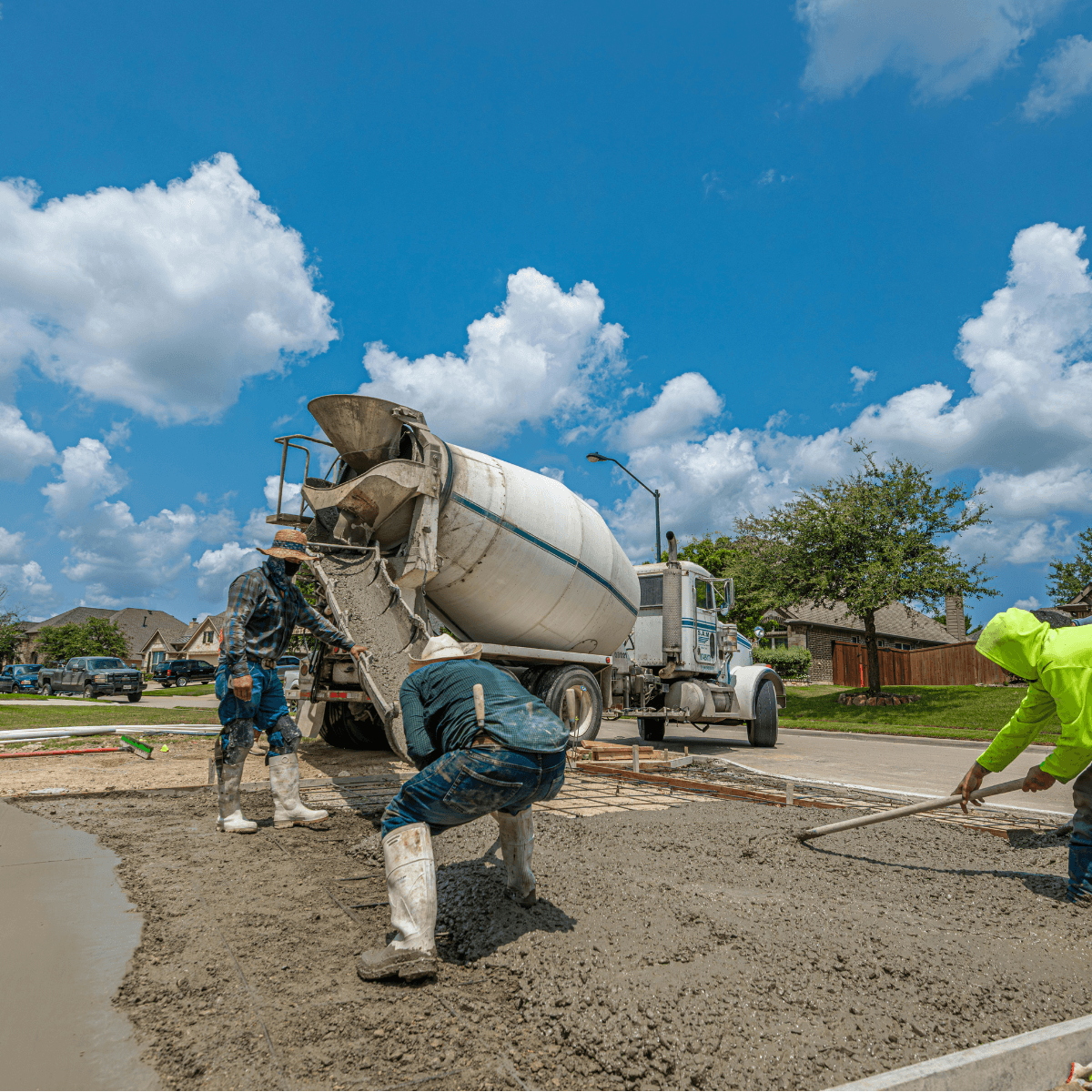
A sunken or raised section can create drainage problems, trip hazards, and uncomfortable transitions for vehicles. Settlement often occurs when soil beneath the driveway compacts, erodes, or washes away, while tree roots can push slabs upward. Some sunken concrete can be stabilized or lifted, but severely cracked or displaced panels may need replacement. Crumbling concrete also deserves attention because surface deterioration can eventually extend deeper into the slab. Minor flaking or scaling may be repairable, while widespread deterioration can weaken the concrete and cause repeated patch failures. The underlying cause matters as much as the visible damage. A successful concrete driveway repair plan should address drainage, soil conditions, and movement so homeowners aren’t repeatedly fixing the same section.
Widespread Cracking Usually Makes Replacement More Practical
One or two cracks may be manageable, but networks of connected cracks often point to broader deterioration or problems with the driveway’s base. Years of heavy vehicle traffic, inadequate support, soil movement, or poor drainage can cause several sections to fail together. Replacing individual panels may still make sense when the damage remains limited to one part of the driveway. However, repairing most of the surface piece by piece can become expensive and leave behind an inconsistent appearance. Complete replacement gives contractors an opportunity to remove failed concrete, rebuild or improve the base, correct certain drainage concerns, and install a more consistent surface. When repairs would involve much of the driveway, replacement can often provide stronger long-term value than continuing to patch areas as new problems appear.
Drainage, Safety, and Appearance Should Influence the Decision
Water is one of the biggest threats to concrete driveway performance. Runoff can collect in low spots, wash soil from beneath slab edges, and contribute to settlement or expanding cracks. North Carolina storms may expose these problems quickly, especially when gutters or downspouts discharge near the driveway. Drainage improvements, grading adjustments, or changes to water flow may be necessary before repair or replacement begins. Safety should also factor into the decision because raised edges, loose concrete, and deep cracks can create walking hazards. Appearance matters too. A few well-matched repairs may blend into a driveway that’s otherwise in good condition, while numerous patches can make the surface look worn. The best solution should improve drainage, safety, function, and curb appeal rather than addressing only the most visible damage.
Consider Future Use and Long-Term Value
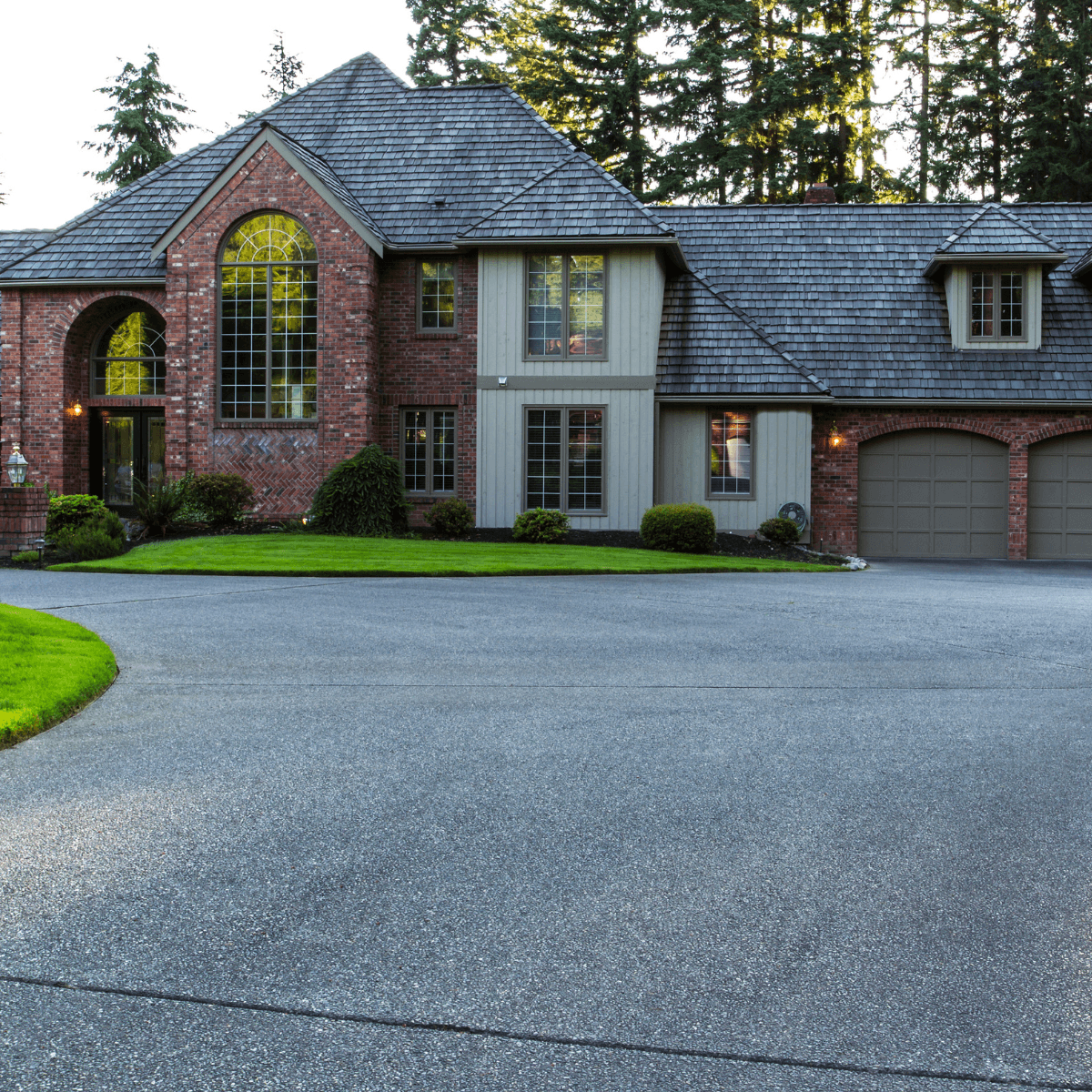
Homeowners should think about how their driveway will be used in the coming years before deciding between repair and replacement. Larger vehicles, trailers, additional parking, or heavier traffic may place more stress on the surface. When replacement is necessary, contractors can consider slab thickness, reinforcement, base preparation, drainage, and layout based on those future needs. However, a structurally stable driveway with limited damage doesn’t need to be replaced simply because a new surface would look better. Targeted concrete driveway repair may still offer the best value. Repair usually costs less initially, but repeated work can become expensive if the slab continues failing. Comparing expected lifespan, future maintenance, appearance, and repair frequency provides a clearer picture of which option will be more economical over time.
Get a Clear Plan for Your Concrete Driveway
Concrete driveway repair works best when damage is limited, stable, and supported by concrete that remains structurally sound. Replacement becomes more practical when widespread cracking, settlement, base failure, or deterioration affects large portions of the driveway. That’s why the decision should begin with a careful evaluation of both the visible damage and the conditions causing it. Pacheco’s Custom Masonry and Concrete can inspect your driveway and recommend a practical solution based on its condition, drainage, and intended use. Whether your property needs crack repair, resurfacing, individual panel replacement, or a completely new driveway, professional planning can help improve safety, appearance, drainage, and everyday performance while avoiding repairs that won’t solve the underlying problem.


Leave A Comment