
How Much Does a Fire Pit Cost?
| Fire Pit Type | Typical Cost Range |
|---|---|
| DIY or Prefab Fire Pit | $200–$700 |
| Brick Fire Pit | $300–$2,200 |
| Stone Fire Pit | $350–$3,000+ |
| Gas Fire Pit | $1,500–$8,000+ |
| Custom Masonry Fire Pit | $2,500–$10,000+ |
Fire Pit Cost by Type
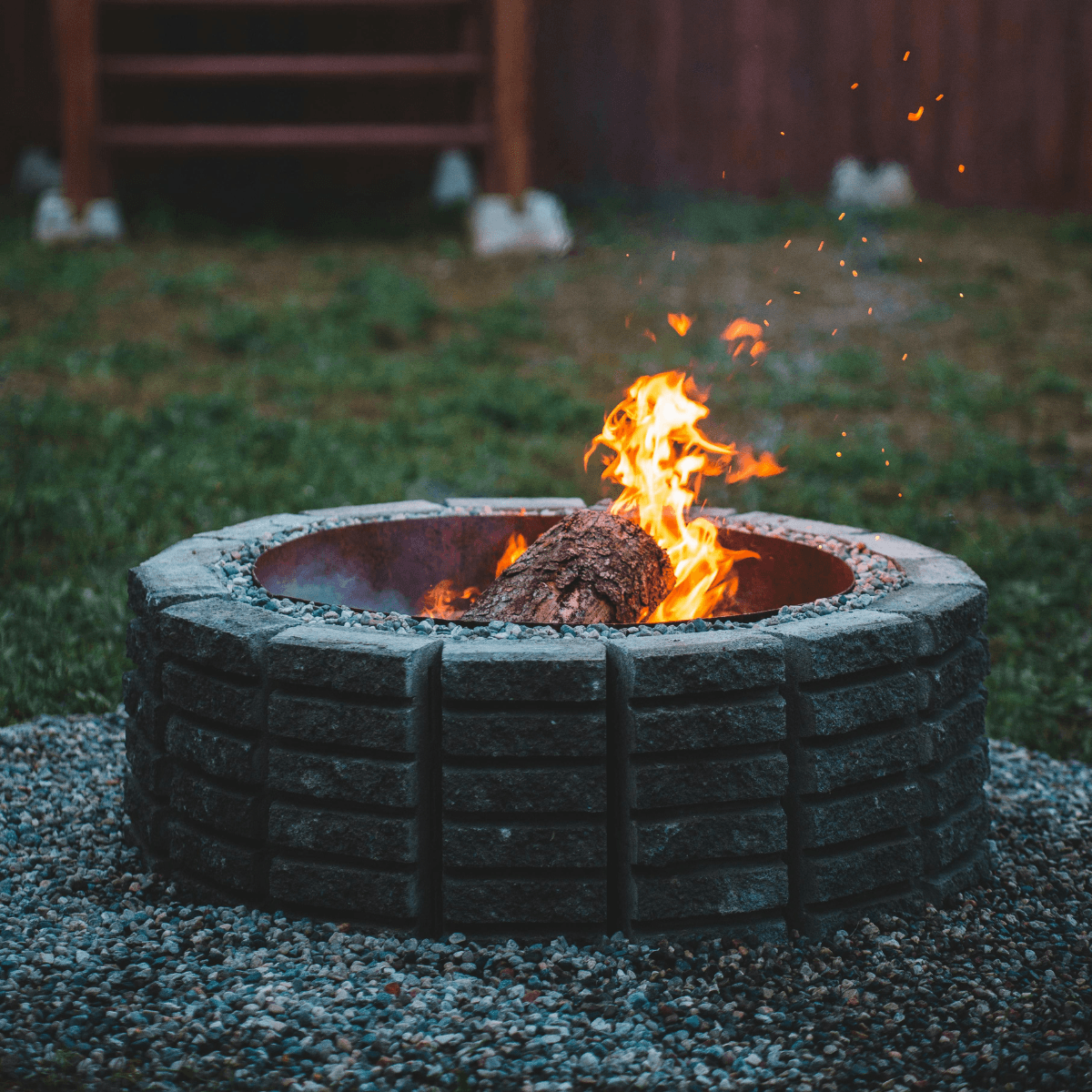
The type of fire pit you choose can significantly change your budget. Wood-burning fire pits usually offer the simplest setup. They don’t require a permanent fuel line, which can reduce installation costs. Propane offers similar convenience without requiring a natural gas connection. Natural gas models typically cost more because they require additional utility work. The gas fire pit installation cost may include trenching, piping, permits, and professional connections. Brick and stone create a more permanent outdoor feature. Brick fire pit cost depends on the design, foundation, fire-rated materials, and overall size. Stone fire pit cost can rise with premium natural stone or detailed masonry work. Custom masonry offers more design flexibility than portable options. It can also complement patios, seating walls, walkways, and other hardscaping. Pacheco’s offers custom fire pit installation using brick, natural stone, concrete, and other durable materials.
Fire Pit Cost by Material
Your material choice affects appearance, durability, maintenance, and installation costs. Some materials create an affordable foundation, while premium finishes increase the investment. Homeowners should consider long-term performance alongside the initial price.
| Material | Relative Cost | Durability | Maintenance | Appearance |
|---|---|---|---|---|
| Concrete Block | $ | High | Low | Simple and versatile |
| Brick | $$ | High | Low to moderate | Classic and traditional |
| Pavers | $$ | High | Low | Clean and customizable |
| Natural Stone | $$$ | Very high | Low to moderate | Natural and distinctive |
| Poured Concrete | $$–$$$ | High | Low | Modern and seamless |
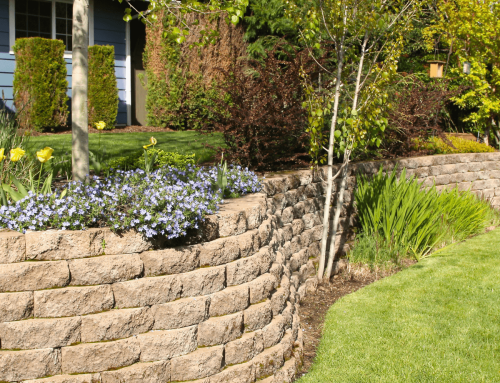
Brick provides a timeless look that complements many North Carolina homes. Natural stone creates unique colors and textures throughout the finished feature. Concrete offers flexibility for homeowners who prefer a cleaner appearance. Quality materials may cost more initially. However, proper installation can reduce repairs and maintenance throughout the fire pit’s lifespan. Pacheco’s works with brick, block, stone, pavers, concrete, and other materials across its masonry and concrete services.
Gas Line and Utility Costs
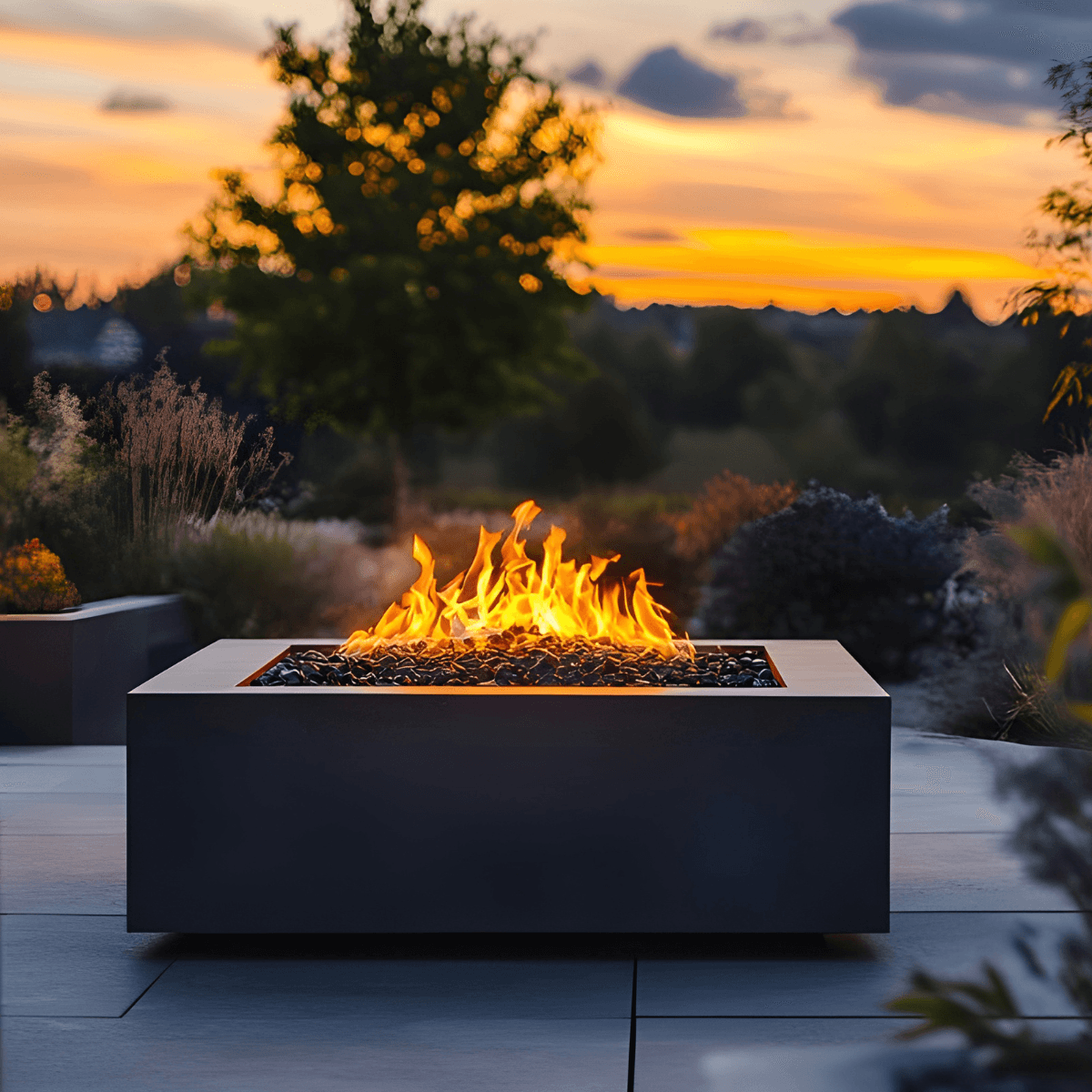
Natural gas adds convenience, but it can also add several expenses. The cost to run a gas line depends heavily on distance. Basic gas-line installation can cost around $15 to $25 per linear foot. However, that figure doesn’t always represent the entire project. Trenching, difficult backyard access, existing concrete, permits, and inspections can increase costs. Longer distances between the gas source and fire pit also require more materials and labor. The cost to install a gas line for a fire pit may involve another licensed professional. Gas work requires proper sizing, connections, and safety precautions. Local rules can also require permits or inspections before homeowners use their new fire feature. Discuss the fuel source early during the design process. Early planning helps coordinate the masonry, utility route, and surrounding hardscape before construction begins.
Patio and Built-In Seating Costs
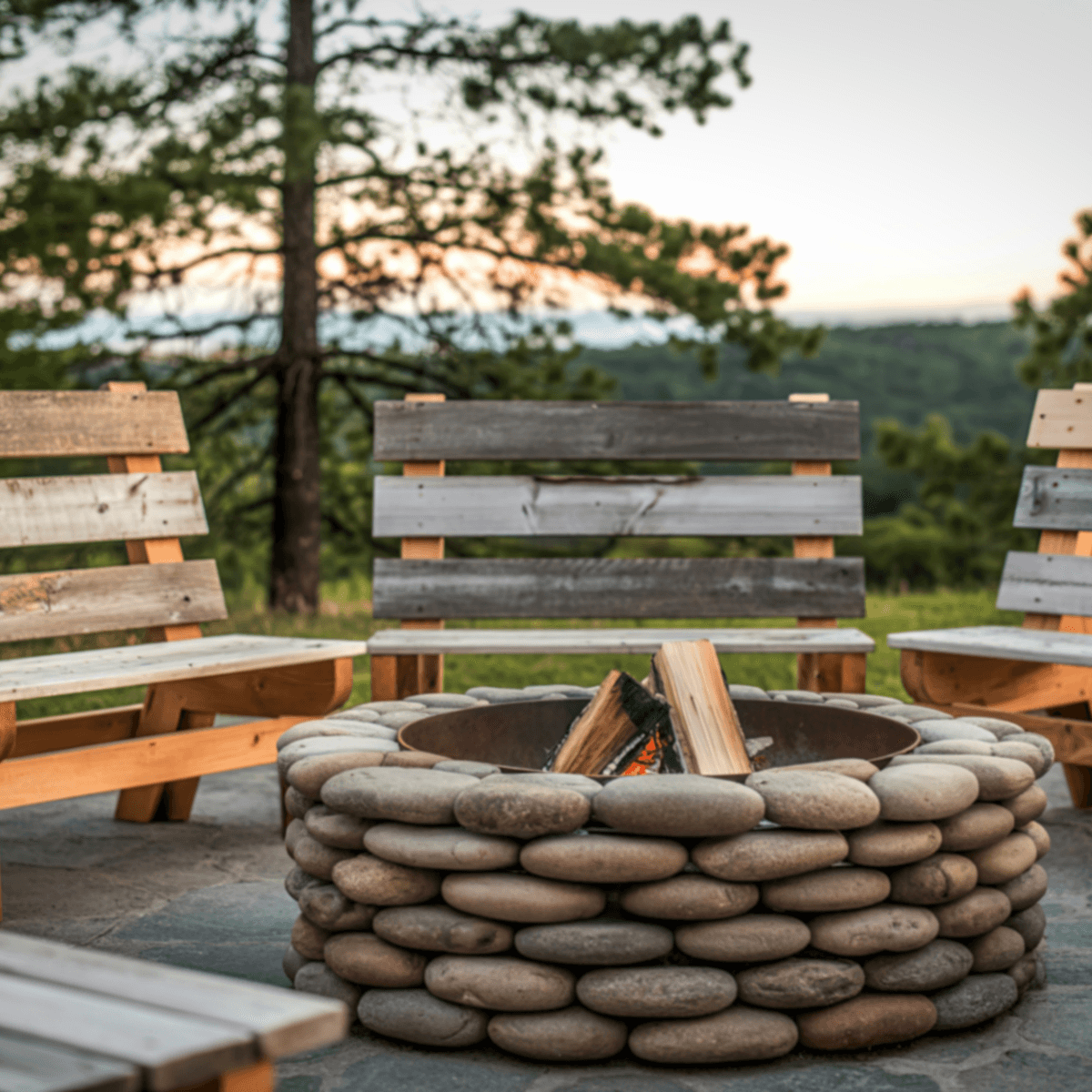
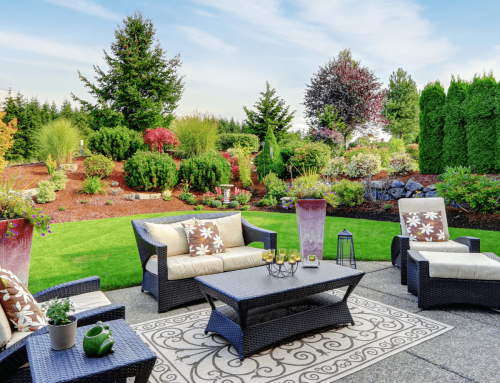
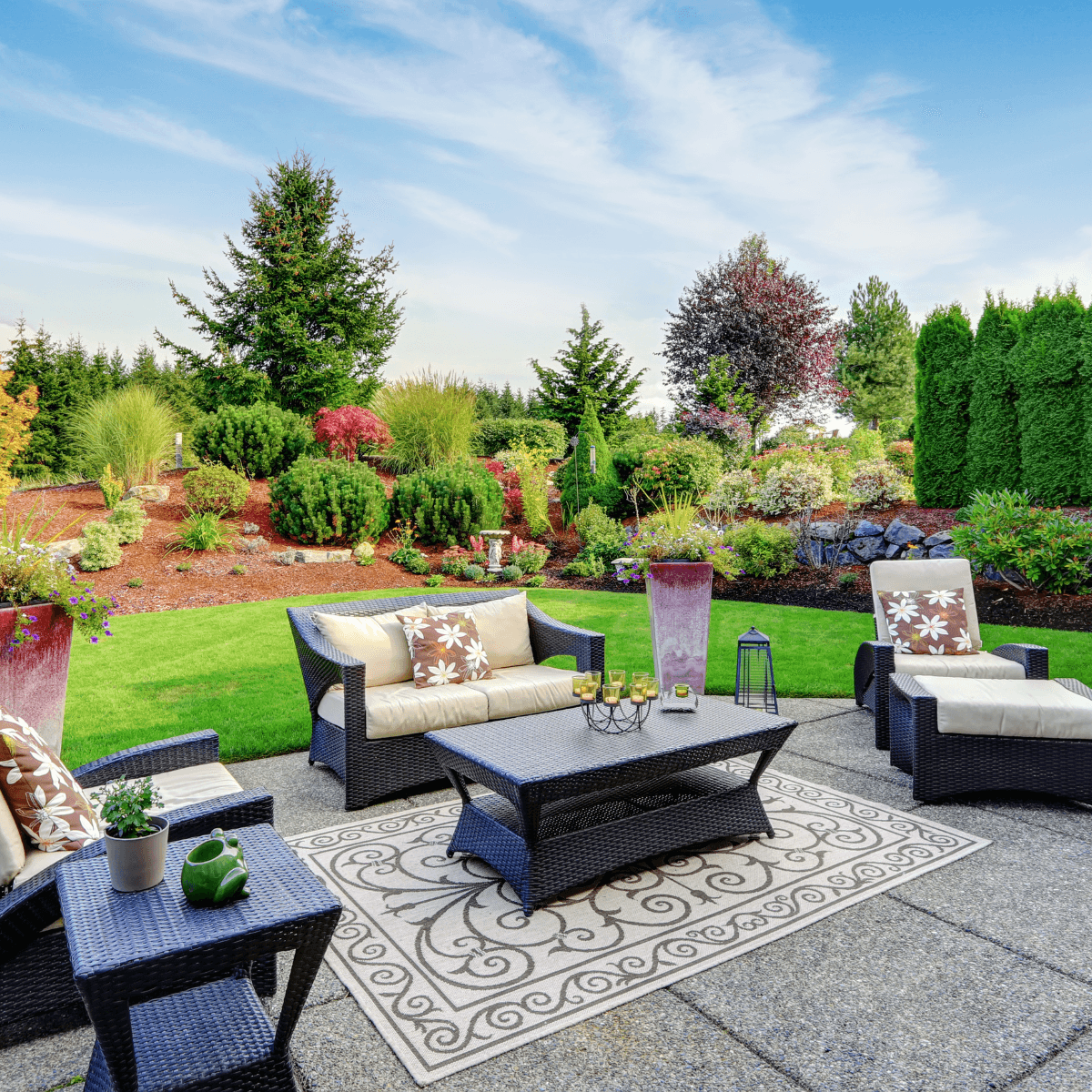
A fire pit can become the centerpiece of a complete outdoor living area. Adding a patio changes both the project’s appearance and overall investment. The paver patio with fire pit cost depends on patio size, materials, grading, and site preparation. Concrete, pavers, and stone offer different design possibilities. Pacheco’s provides several custom masonry and concrete services that can complement a new fire pit area. These options include patios, hardscaping, brick and stone paving, and drainage work. Built-in seating can make the area feel even more intentional. Masonry seat walls create permanent gathering spaces without requiring chairs around every side. The cost to build a fire pit with seating depends on several factors. Wall length, stone selection, caps, foundations, and layout can all affect pricing. Drainage also deserves careful attention. Proper grading helps direct water away from patios and masonry features.
What Affects Fire Pit Installation Cost?
Two similar-looking fire pits can cost very different amounts to install. Small design decisions often create meaningful differences in materials and labor. Size plays an obvious role because larger features require more materials. Brick, natural stone, pavers, and decorative finishes also carry different material and labor costs. Site preparation can make an even bigger difference. Uneven ground may require grading before construction begins. Poor drainage may also require correction to protect the surrounding hardscape. Foundation requirements depend on the fire pit’s weight, design, and site conditions. Gas models add fuel-line distance, trenching, and utility coordination to the project. Backyard access can affect labor and equipment needs. Custom masonry details also influence pricing. Curves, stone veneers, decorative caps, seating walls, and matching patios require additional craftsmanship. Local permits may add another expense. An experienced custom masonry contractor can help homeowners understand these factors before construction begins.
Leave A Comment