
Concrete Cracks Can Reveal Different Problems
Shrinkage Often Creates Small Surface Cracks
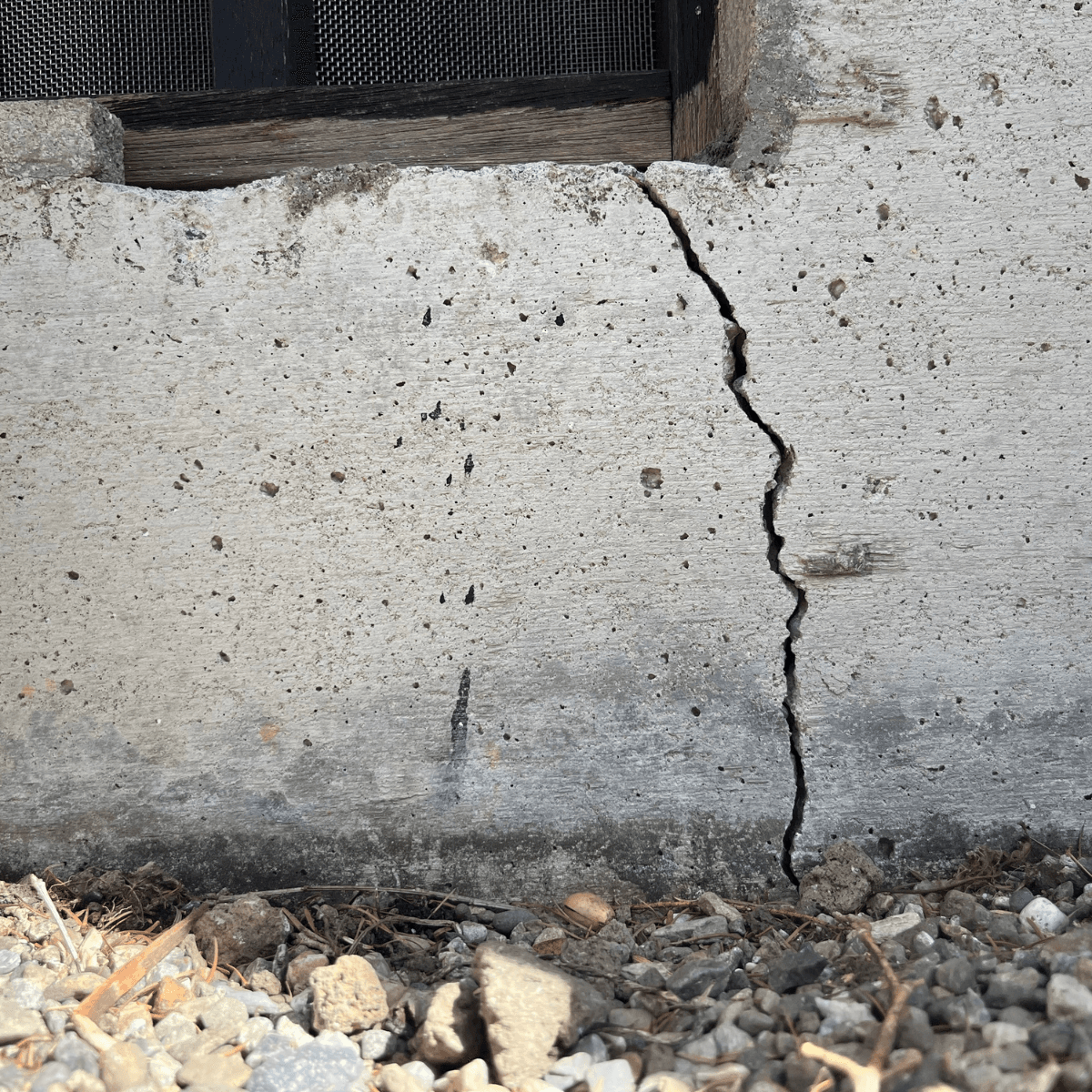
Concrete naturally loses moisture as it cures. During that process, the material may shrink slightly and develop thin cracks. These cracks often appear shortly after installation. Proper control joints help direct shrinkage into planned locations. However, cracks may still form when joints are missing or spaced incorrectly. Fast drying can also increase the risk. Hot and windy weather may remove moisture too quickly. Therefore, proper curing practices are especially important during North Carolina summers. Many shrinkage cracks remain stable and don’t affect the slab’s overall strength. Still, sealing these cracks can prevent water, dirt, and debris from entering. Timely cracked concrete repair may also help preserve the surface’s finished appearance.
Soil Movement Can Cause Larger Damage
The soil below concrete must support the slab evenly. When soil settles, washes away, or expands, the concrete may begin moving. As a result, cracks can widen, and sections may become uneven. North Carolina’s varied soil conditions make proper base preparation especially important. Clay-heavy soil can expand and contract as moisture levels change. Meanwhile, poor drainage may soften or erode the supporting material beneath the slab. Tree roots can also lift walkways, patios, driveways, and other concrete surfaces. These problems usually require more than a basic surface patch. A contractor should inspect cracks connected to sinking, lifting, or repeated movement. The underlying soil or base may need stabilization before the visible damage can be repaired successfully.
Water Makes Existing Cracks Worse
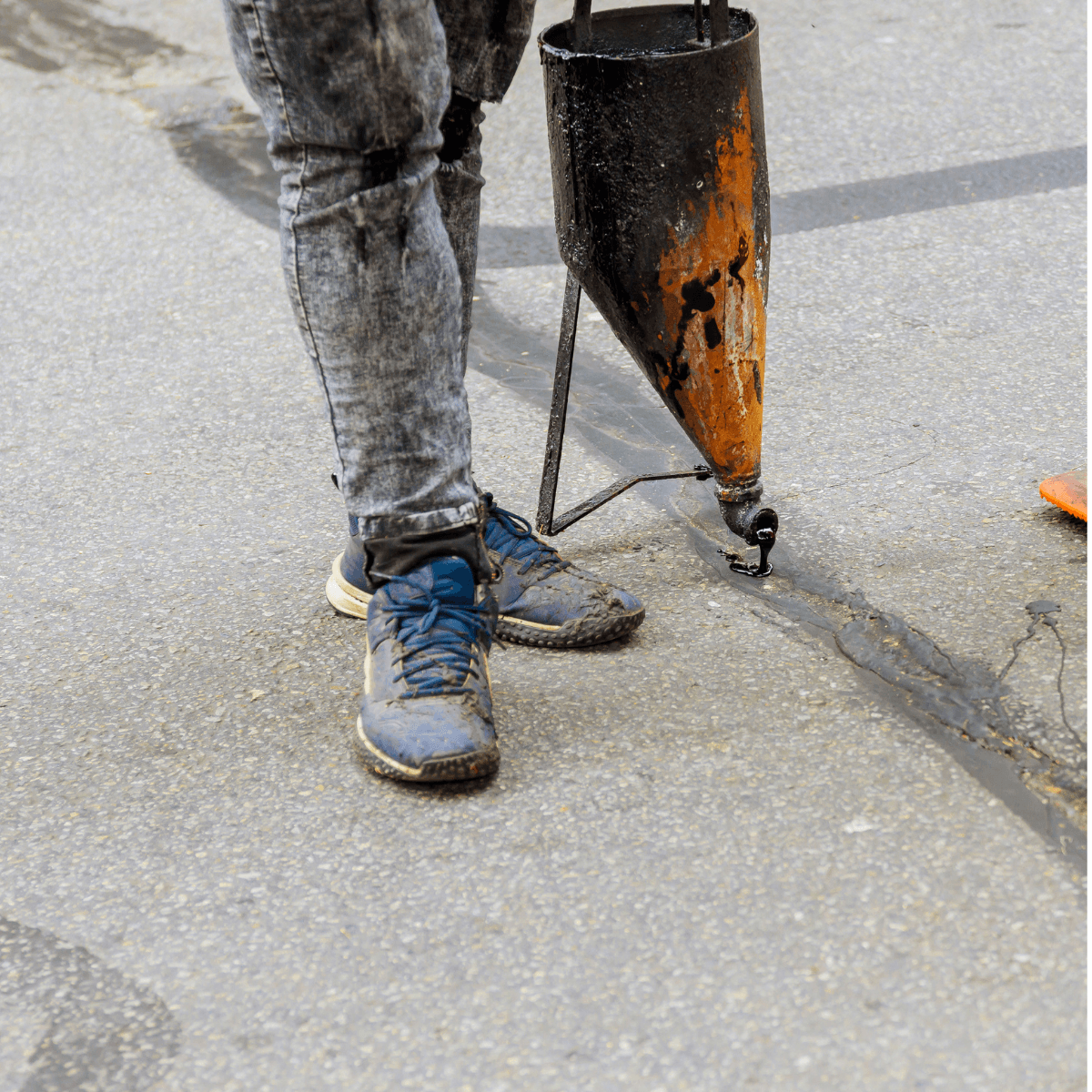
Water can enter even a narrow concrete crack. Once inside, it may reach the base and contribute to erosion. Water can also carry dirt deeper into the damaged area. During freezing weather, trapped moisture may expand and create additional pressure. Consequently, a small opening can grow wider over time. Water near foundations, steps, patios, and driveways deserves quick attention. Gutters, downspouts, property grading, and drainage systems should also be inspected. Cracked concrete repair lasts longer when nearby moisture problems are corrected. Otherwise, the repaired area may crack again beside the original damage.
Heavy Loads Can Stress Concrete
Concrete thickness and reinforcement should match the surface’s intended use. However, heavier loads may eventually exceed the slab’s original design. Large vehicles, trailers, equipment, and storage structures can place concentrated pressure on concrete. Over time, weaker sections may begin cracking. Damage is more likely when the base has already settled. Moisture below the slab may also reduce the amount of support it provides. Therefore, contractors should consider how the concrete surface is being used. Repairing the visible crack alone may not prevent future load-related damage. In some situations, a thicker or reinforced replacement section may provide better long-term performance.
Different Cracks Need Different Repair Methods
Pacheco’s Custom Masonry and Concrete installs custom concrete slabs for residential and commercial projects across Eastern North Carolina. Our team will evaluate your site, planned use, drainage, and access before work begins. Then, we’ll recommend a slab design that supports your project without unnecessary complications. We focus on accurate preparation, reliable materials, and detailed finishing from start to cleanup. Additionally, we’ll communicate clearly so you understand each step. Professional concrete slab installation protects the investment you’ll place above it. Therefore, don’t let an unstable base limit your shed, outdoor kitchen, workshop, or equipment area. Build it on a foundation designed for strength and real-world use. Contact Pacheco’s Custom Masonry and Concrete today to request a free estimate. We’ll help you start your backyard project with confidence and lasting support.

Start Your Backyard Project With Pacheco’s Custom Masonry & Concrete
Hairline cracks may only need cleaning and a suitable concrete sealant. Slightly larger cracks may require routing, filling, or a flexible repair product. Deeper damage could require epoxy, polyurethane, or a cement-based repair system. However, the correct material depends on whether the crack is stable or still moving. A rigid filler may fail when the slab continues to shift. Uneven sections may require lifting, stabilization, or partial replacement. Additionally, broken edges and spalled areas require different preparation than narrow cracks. Homeowners shouldn’t choose repair products based only on package claims. Successful cracked concrete repair requires matching the repair method to the crack’s condition, location, and underlying cause.
When a DIY Repair May Be Enough
A small, stable crack in a low-risk area may be manageable for a homeowner. For example, a narrow patio crack may only need cleaning and sealing. The surface should be dry and free from loose material before applying the repair product. Proper cleaning helps the material bond securely to the existing concrete. However, homeowners should continue monitoring the area after completing the repair. If the crack widens or returns, the slab may still be moving. DIY products also shouldn’t be used to hide dangerous height differences. Steps, driveways, patios, and walkways must remain safe. Any crack creating an uneven surface or trip hazard deserves professional attention.
Warning Signs That Require a Contractor
Several warning signs suggest that the crack involves more than normal surface wear. Contact a contractor when the crack continues growing or suddenly changes direction. You should also request an inspection when one side of the crack sits higher than the other. Multiple connected cracks may indicate broader slab failure. Likewise, cracks near foundations, columns, retaining structures, or load-bearing areas require careful evaluation. Water entering through the crack is another serious concern. Repeated repairs that continue failing may also point to an unresolved drainage, soil, or movement problem. In these situations, professional cracked concrete repair can protect the surface and surrounding property.
Early Repair Can Prevent Larger Problems
Ignoring a crack often allows water, dirt, and movement to increase the damage. Therefore, early inspection can protect nearby concrete and reduce future repair needs. Small repairs are usually easier before the edges begin breaking away. Contractors can also correct drainage or base problems before the slab experiences complete failure. However, the goal shouldn’t be hiding every visible line. Instead, cracked concrete repair should restore function, improve safety, and prevent continued damage. Pacheco’s Custom Masonry and Concrete can inspect cracked concrete throughout your property and provide a free consultation. The right repair plan can improve your concrete’s appearance, safety, and long-term performance. Contact us today.




Leave A Comment