
A Brick Patio Starts With More Than the Brick
Proper Base Preparation Helps Prevent Future Problems
A successful brick patio starts below the finished surface. The installation area must be evaluated, excavated, and prepared to support the patio without unnecessary movement. A stable, compacted base helps distribute weight and reduces the risk of low spots or uneven sections. Drainage should also be considered before the first brick is laid. Water should move away from the home and avoid collecting across the patio surface. Poor grading can contribute to settling, erosion, or standing water around the finished space. Because every property has different slopes, soil, and access conditions, base preparation shouldn’t be treated as a one-size-fits-all step. Careful preparation gives the brickwork a stronger foundation and supports a cleaner finished result.
Brick Patterns Can Change the Entire Patio Design
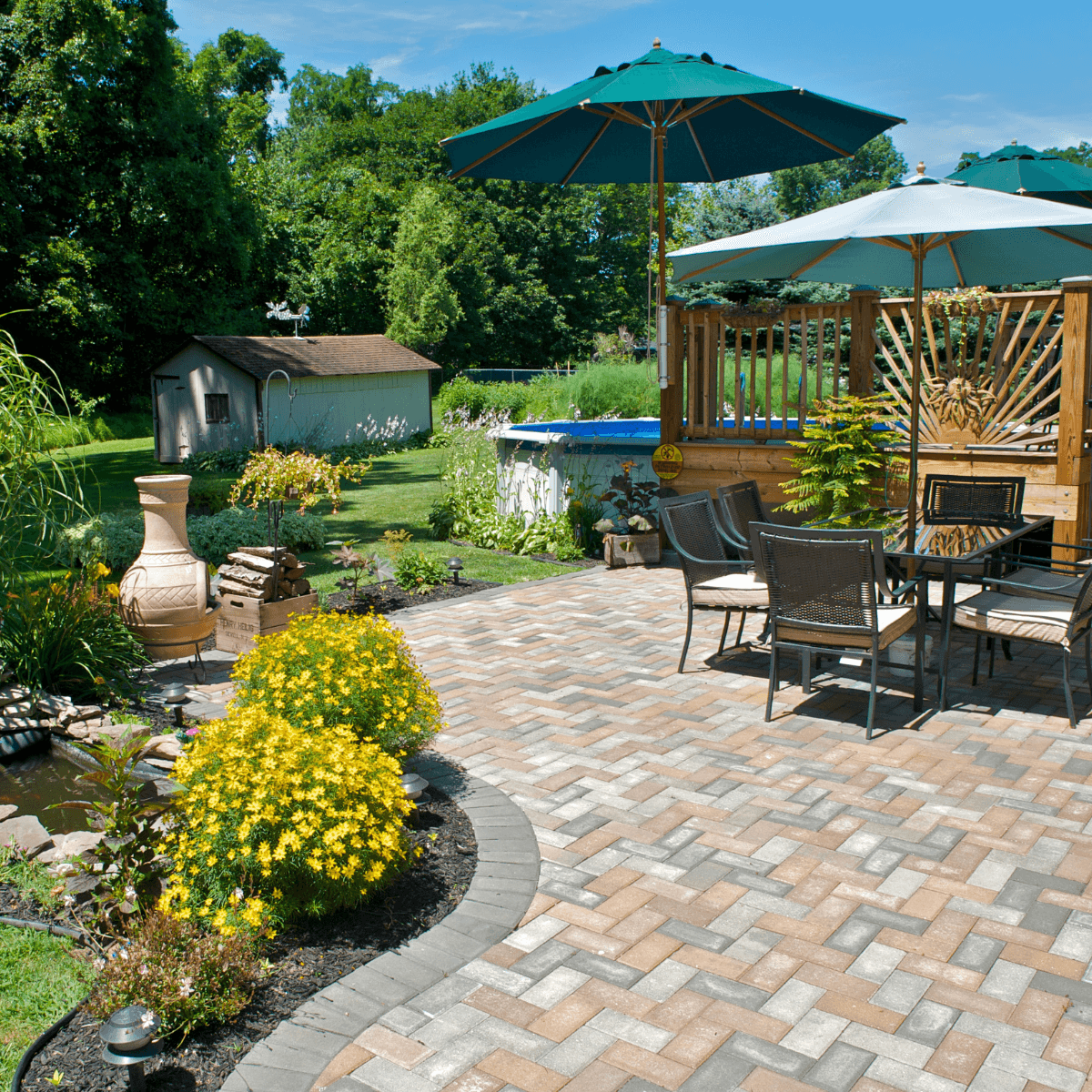
Brick patios offer plenty of design flexibility. Homeowners can choose from different brick colors, sizes, textures, borders, and laying patterns to complement the surrounding home and landscape. Running bond creates a simple, traditional appearance, while herringbone can add more movement and visual detail. Basket-weave patterns can create another classic look for patios with a defined shape. Borders can also help frame seating areas, walkways, steps, or other outdoor features. The best design should consider more than appearance. Furniture placement, traffic patterns, grill locations, doors, and nearby landscaping all influence how the space will function. Planning these details before installation helps the patio feel like a natural extension of the property instead of an isolated surface in the yard.
Brick Offers Durability and Repair Flexibility
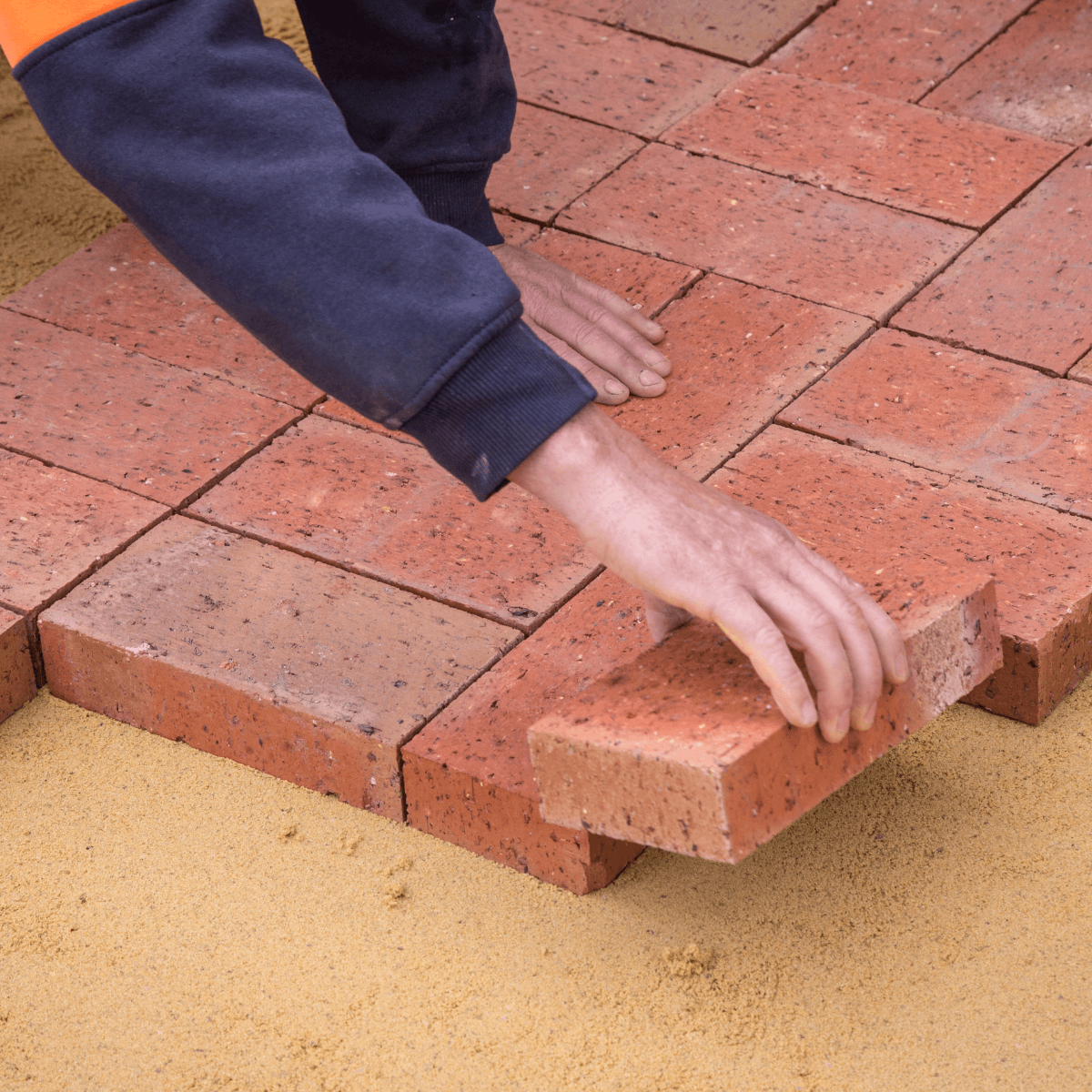
Brick can be a strong choice for outdoor living because individual units create a durable, textured surface. If a section becomes damaged or settles, individual bricks may sometimes be removed and reset without replacing the entire patio. That repair flexibility can be useful for long-term ownership. Brick surfaces also provide visible joints and texture, which can offer more traction than some smoother finishes. Still, durability depends heavily on installation quality. A poorly prepared base can allow sections to shift, while weak edging may let outside bricks move over time. Proper spacing, joint material, drainage, and edge support all contribute to a patio that stays attractive and functional. Choosing an experienced hardscaping contractor helps ensure the design is supported by the underlying construction.
Routine Maintenance Can Help Your Brick Patio Last
Brick patios don’t require complicated maintenance, but routine care can help preserve their appearance. Leaves, soil, and other debris should be removed before they collect in joints or hold moisture against the surface. Homeowners should also watch for areas that begin to settle, shift, or hold water after storms. Joint material may need attention over time, especially in high-traffic areas or after repeated cleaning. Weeds can also appear when organic material collects between bricks. Addressing small problems early may prevent a minor maintenance issue from becoming a larger repair. The right cleaning method will depend on the brick and joint system, so harsh chemicals or aggressive pressure washing shouldn’t automatically be the first choice. When in doubt, a masonry professional can recommend an appropriate maintenance approach.
Compare Brick With Other Patio Materials
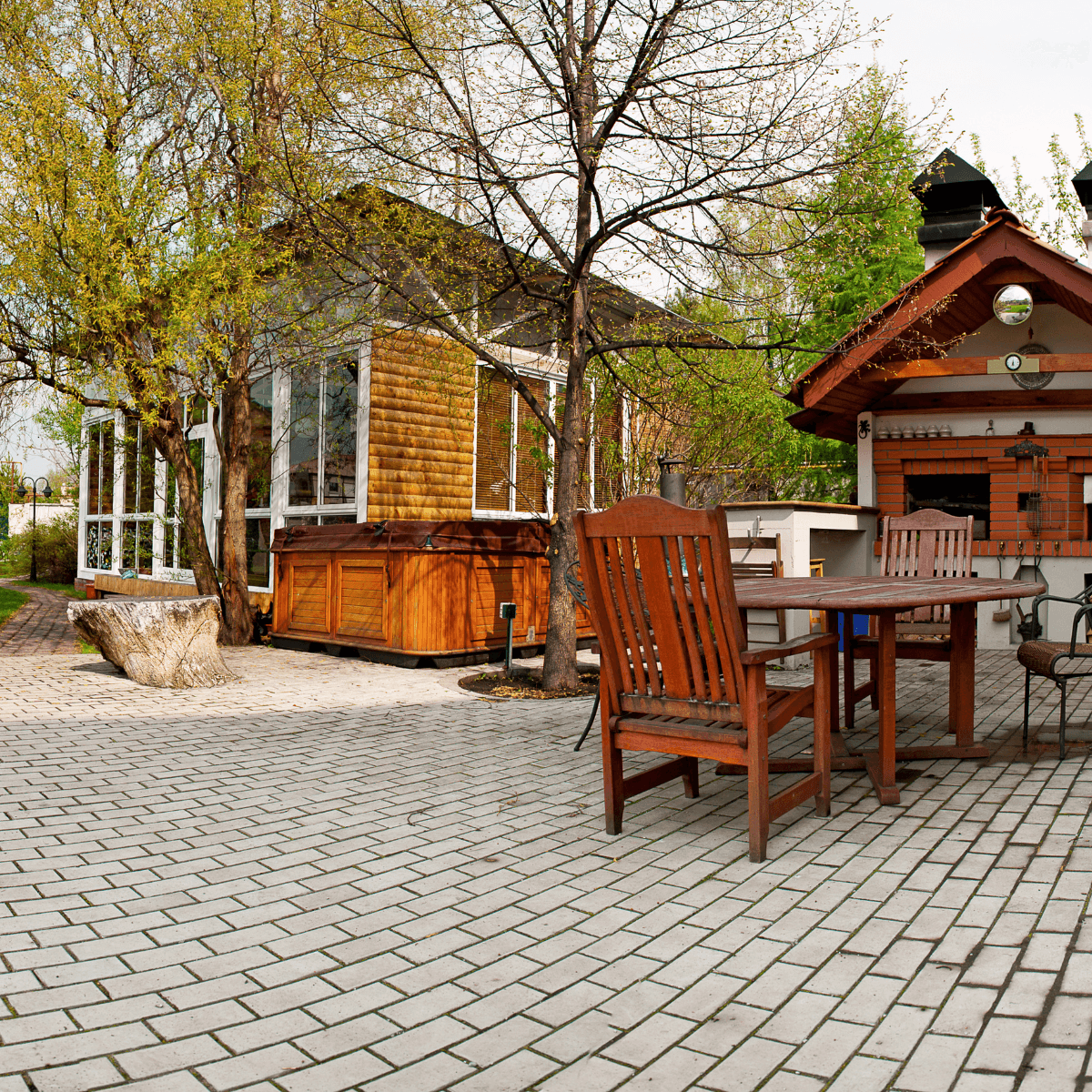
The best patio material depends on the property, budget, and desired appearance. Brick offers a warm, traditional look with the flexibility of individual-unit repairs. Natural stone provides unique color and texture, while concrete can create a more continuous surface. Pacheco’s works with brick, stone, concrete, pavers, and other hardscape materials, so homeowners aren’t limited to one option. The surrounding architecture should also influence the decision. A brick patio may pair naturally with a brick home, chimney, steps, or existing walkway. On other properties, a contrasting material may create a better design. A contractor can help compare appearance, maintenance, drainage, and installation requirements before the project begins. That planning helps homeowners choose a patio material that fits both their style and everyday needs.
Plan Your Brick Patio With an Experienced Masonry Contractor
Professional brick patio installation combines design, site preparation, masonry skill, and careful attention to drainage. Those details matter whether the goal is a small seating area or a larger backyard entertaining space. Pacheco’s Custom Masonry and Concrete offers custom patio, hardscaping, and brick-and-stone paving services for homeowners throughout its North Carolina service areas. Their team can evaluate the property, discuss material and pattern options, and develop a patio plan that works with the surrounding landscape. If you’re considering a new brick patio, start with a professional evaluation rather than choosing materials based on appearance alone. Contact Pacheco’s Custom Masonry and Concrete to discuss your project and request an estimate for a custom outdoor space built around your home.

Leave A Comment