
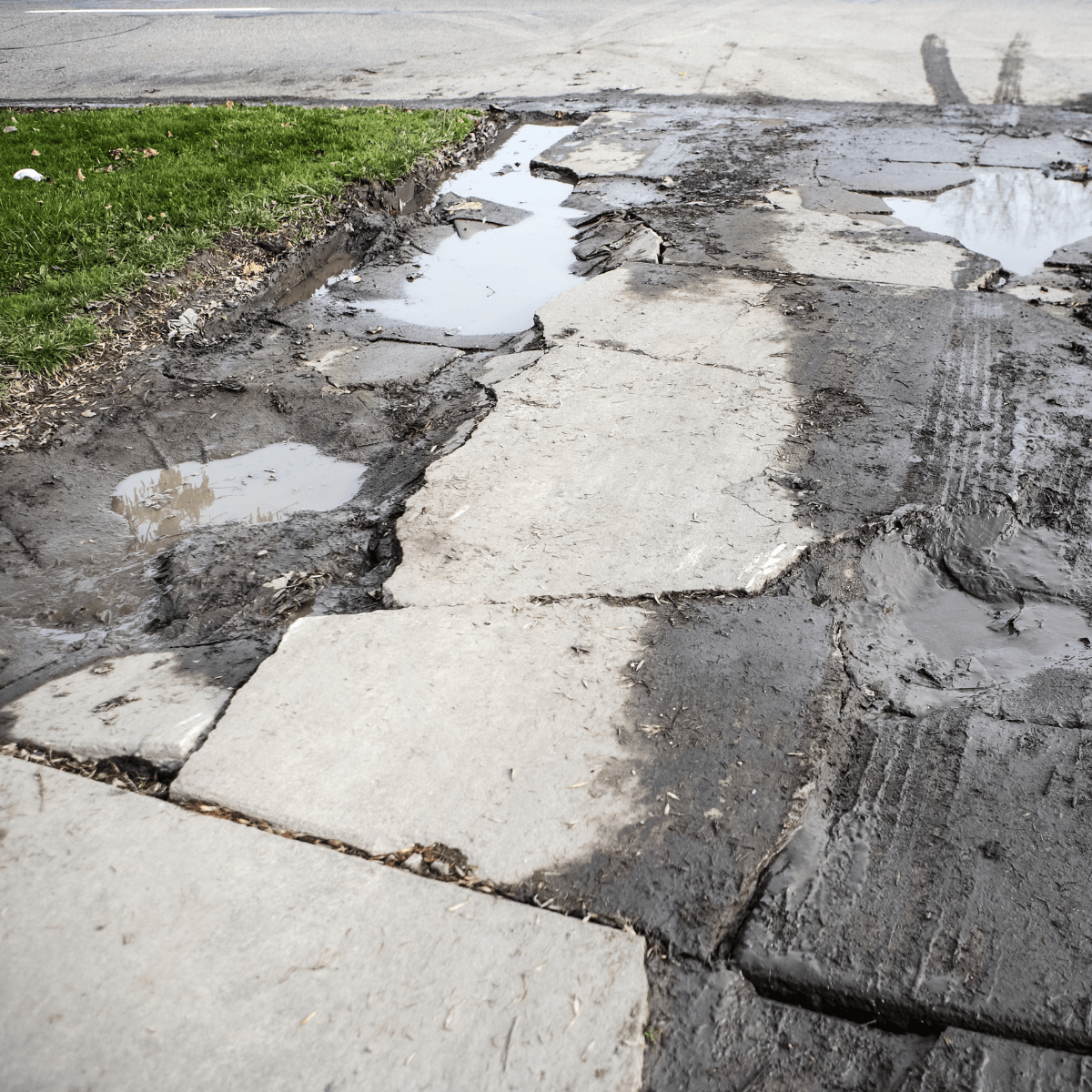
Damaged Concrete Doesn’t Always Need Complete Replacement
What Concrete Resurfacing Involves
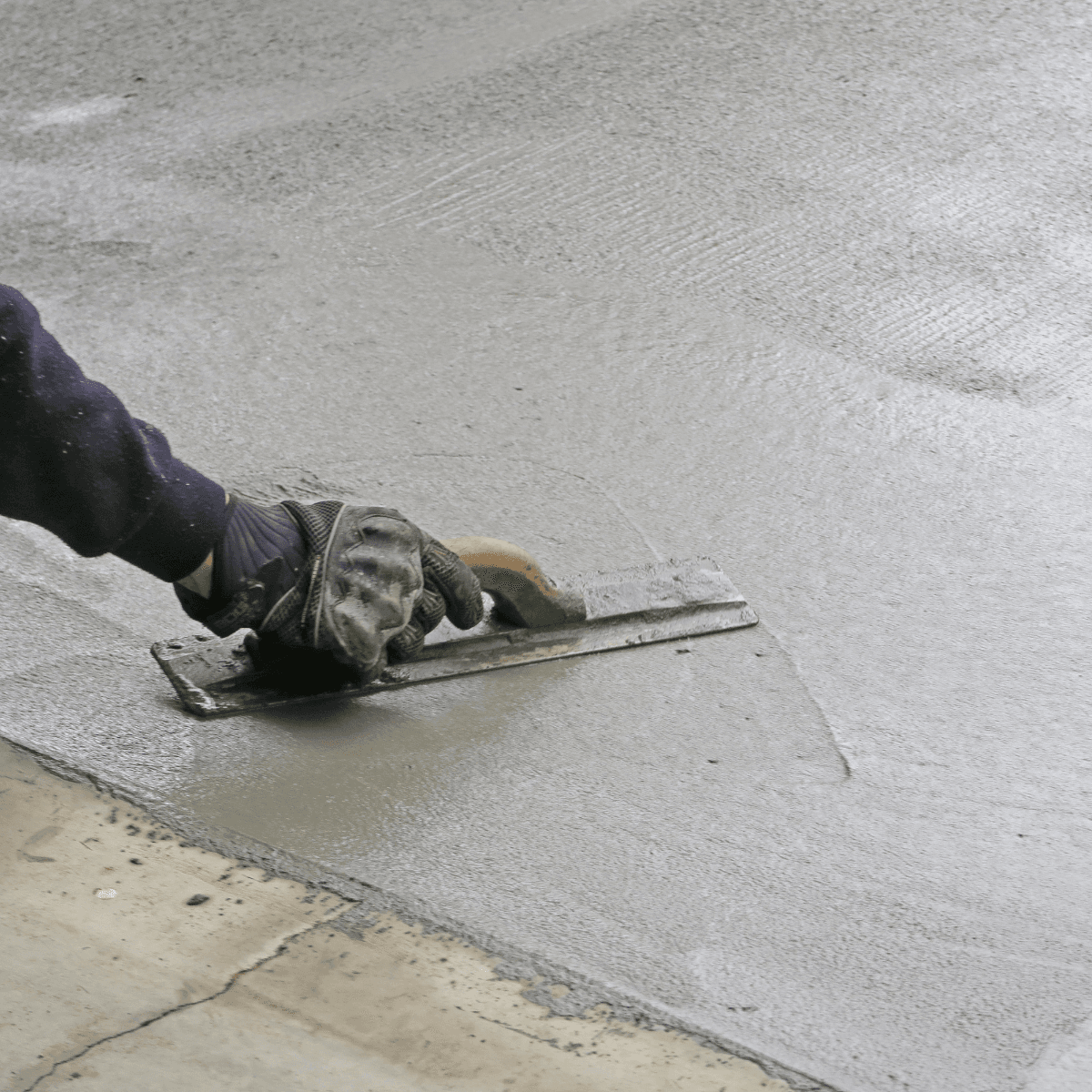
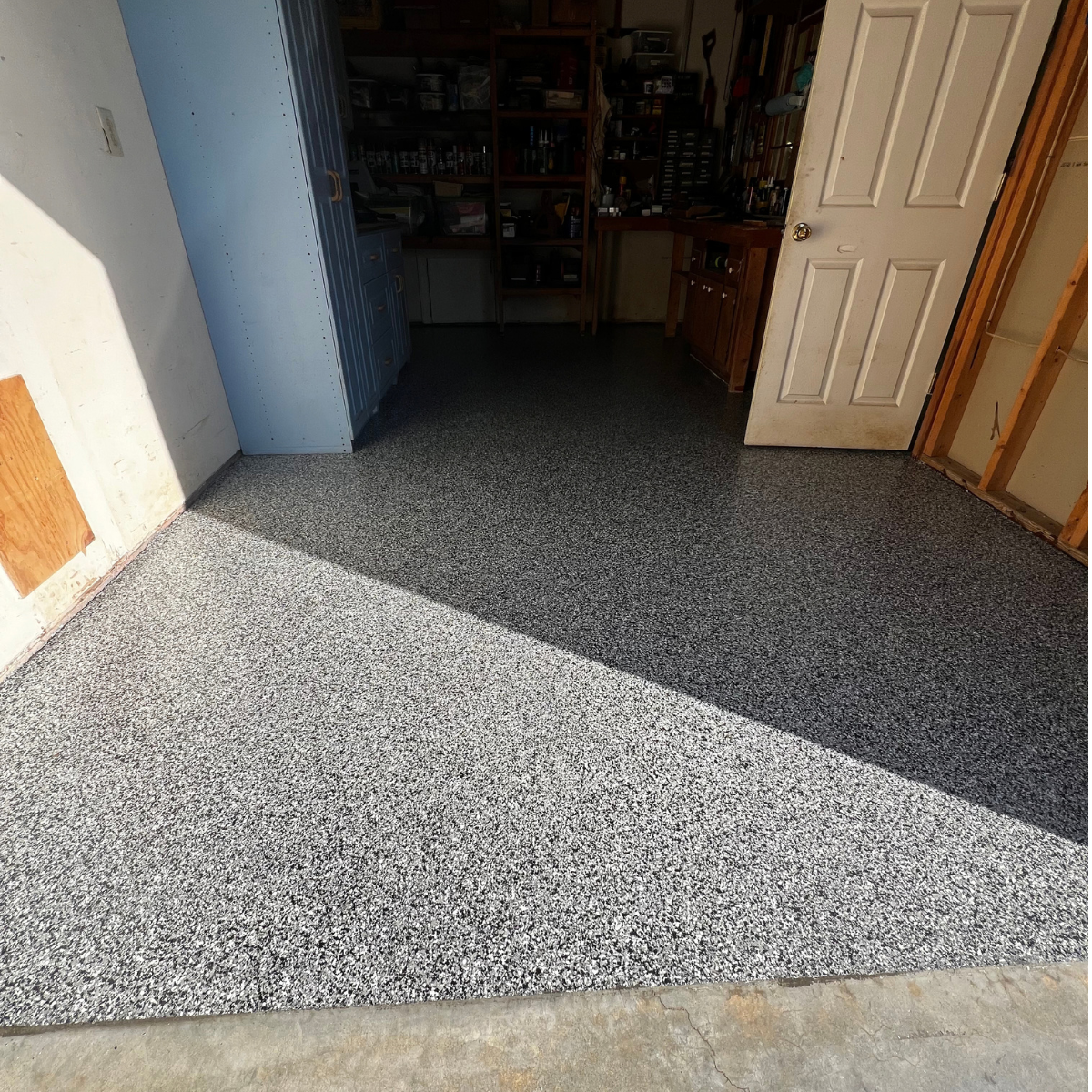
Concrete resurfacing adds a new bonded layer over an existing slab. First, the original surface must be cleaned and prepared carefully. Contractors may remove weak material, repair minor cracks, and correct shallow surface flaws. Next, they apply a specialized resurfacing mixture across the slab. The new layer can create a smoother appearance and improve everyday function. Additionally, homeowners may choose decorative colors, textures, or patterns. Resurfacing works best when the original concrete remains structurally solid. It won’t correct major settlement, widespread movement, or a failing base. Therefore, surface preparation and structural inspection matter just as much as the new finish.
When Resurfacing Is the Better Choice
Resurfacing is often ideal when concrete looks worn but still feels stable. Minor pitting, staining, scaling, and shallow cracks may respond well. Likewise, an outdated patio can receive a fresh appearance without a complete tear-out. The process usually creates less disruption than replacement. It also reduces the amount of old concrete that crews must remove. As a result, the project may require less time and labor. However, every crack should be evaluated before the overlay begins. A moving crack can eventually return through the new surface. Therefore, contractors must repair existing damage and identify moisture concerns first. When conditions are right, resurfacing can extend the slab’s useful life.
When Concrete Replacement Makes More Sense
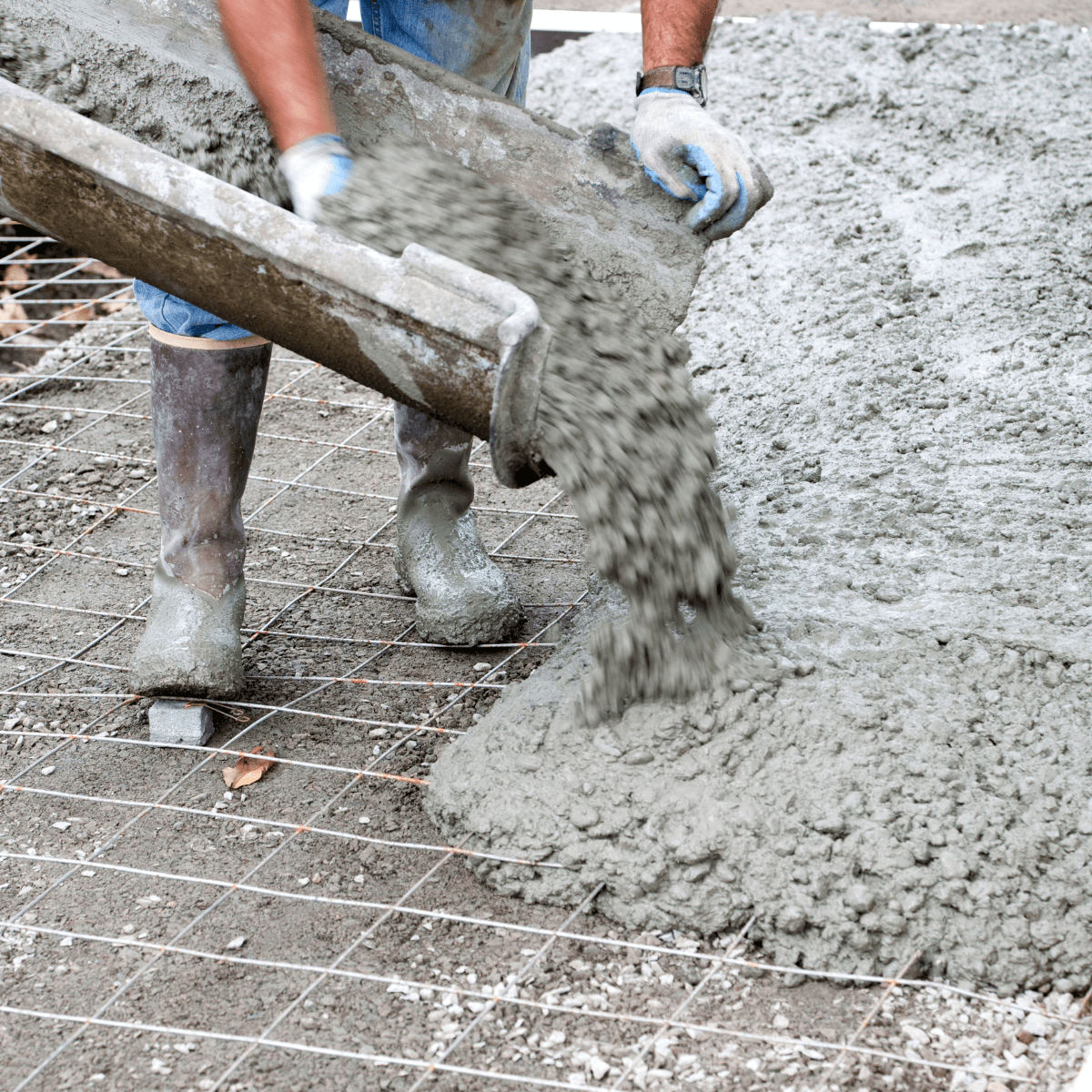
Replacement is usually better when the slab has extensive structural damage. Large cracks, deep settlement, heaving, and broken sections often reveal deeper problems. In those cases, covering the slab won’t solve the cause. Instead, the damaged concrete should be removed so the base can be corrected. Replacement also allows contractors to improve grading, drainage, thickness, and reinforcement. These improvements can prevent similar damage from returning. Although replacement requires more work, it may eliminate the need for repeated repairs. It can also provide better support for heavy vehicles or outdoor structures. Therefore, replacement often becomes the smarter investment when the existing slab can’t support a lasting repair.
North Carolina Conditions Affect Concrete Performance
North Carolina properties face several conditions that can weaken concrete over time. Heavy rain may wash soil away from slab edges. Meanwhile, clay-rich soil can expand and contract as moisture levels change. This movement may leave parts of the slab without even support. Hot summers can also increase surface stress. During colder periods, water inside cracks may freeze and expand. As a result, small flaws can widen or deepen. Drainage problems may make these issues even worse. Therefore, any repair plan should address water movement around the slab. A new surface won’t last if runoff continues eroding the base.
Compare Cost, Time, and Disruption
Resurfacing usually requires less demolition and material than full replacement. Therefore, it may cost less when the existing slab remains stable. It can also be completed with less interruption to your property. Patios and walkways may return to regular use sooner. Replacement generally costs more because crews must remove and rebuild the slab. However, cost shouldn’t be the only deciding factor. A cheaper surface treatment becomes expensive when the slab continues moving. Homeowners should also consider expected use, appearance, and future plans. For example, a stable decorative patio may benefit from resurfacing. However, a badly sunken driveway will probably require replacement.
Resurfacing Can Create a New Appearance
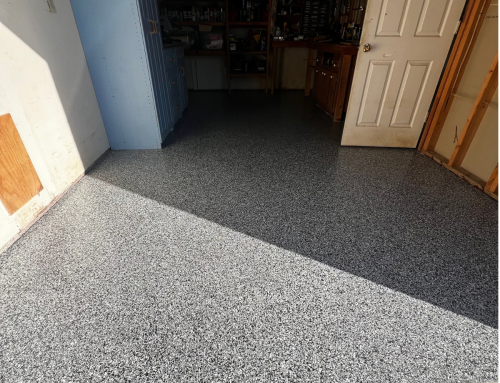
Concrete resurfacing doesn’t only cover minor damage. It can also update the style of an older outdoor space. Homeowners may choose a smooth finish, decorative texture, or patterned appearance. Additionally, color options can complement brick, siding, stone, and landscaping. This flexibility makes resurfacing attractive for patios and walkways. It can improve curb appeal without replacing every surrounding feature. However, decorative choices should suit the property’s existing design. A professional contractor can help create a finish that looks intentional. Therefore, resurfacing can provide both practical and visual improvements when the slab remains stable.
Surface Preparation Determines the Final Result
Even the best resurfacing material can fail without proper preparation. Dirt, oil, loose concrete, sealers, and moisture may prevent strong bonding. Therefore, the original surface must be cleaned and opened correctly. Cracks and damaged edges should also receive proper attention. In some cases, a contractor may recommend grinding, pressure washing, or mechanical preparation. The correct method depends on the slab’s condition. Additionally, temperature and weather conditions during installation can affect curing. Excessive heat or incoming rain may disrupt the process. Professional preparation helps the resurfaced area look better and last longer. Skipping these steps may cause peeling, cracking, or separation.
Choose the Option That Solves the Real Problem
The right choice depends on the slab’s structure, not only its appearance. Concrete resurfacing works well for stable surfaces with cosmetic damage. Replacement is better for slabs with major movement, deep cracking, or base failure. Therefore, homeowners shouldn’t cover damage before learning its cause. A careful inspection can prevent wasted money and repeated work. It can also reveal drainage concerns that need immediate attention. Pacheco’s Custom Masonry and Concrete can evaluate your existing surface and explain the most practical solution. Whether you need resurfacing or replacement, professional planning creates stronger results. Contact us today for a free consultation.

Leave A Comment