
Every Great Backyard Feature Needs a Strong Base
Site Preparation Determines Long-Term Performance
A successful concrete slab begins well before the concrete arrives. First, the crew must remove vegetation, organic material, and unstable soil from the work area. Next, the ground must be graded and compacted to create consistent support. Poorly compacted areas can settle later and leave sections of the slab unsupported. Additionally, the site should account for runoff and nearby drainage patterns. Water shouldn’t collect against the slab or flow toward another structure. Therefore, careful preparation reduces cracking, settlement, and moisture concerns. Forms must also stay square, secure, and correctly positioned before placement begins. Professional crews check measurements repeatedly because small errors affect the finished project. Concrete slab installation isn’t simply pouring material into a wooden frame. Instead, it’s a planned construction process where every layer supports the final result.

The Slab Should Match the Project Above It
Different backyard projects place different demands on a concrete slab. A small equipment pad doesn’t carry the same load as a large workshop. Likewise, a hot tub creates concentrated weight that requires careful planning. Outdoor kitchens may also need space for utilities, appliances, and permanent fixtures. Therefore, slab dimensions, reinforcement, and preparation should match the intended use. Planning future additions can prevent difficult cutting or expansion later. Additionally, the installer can coordinate openings, anchors, or utility access before placement. This approach creates a cleaner and more functional finished project. Guessing about thickness or reinforcement can lead to unnecessary costs or inadequate support. Instead, a professional contractor evaluates the site and project requirements together. Proper concrete slab installation gives your backyard feature the specific foundation it needs, rather than a one-size-fits-all surface.
A Finished Slab Improves Safety and Maintenance
Concrete creates a clean surface that’s easier to maintain than bare soil or loose stone. Leaves, dirt, and grass clippings can be swept or rinsed away quickly. Furthermore, equipment stays level and easier to access throughout the year. A properly finished slab can also reduce muddy areas around frequently used backyard features. Therefore, you won’t track as much soil into sheds, workshops, or nearby living spaces. Edges and transitions should remain smooth enough for foot traffic and moving equipment. The finish can also provide traction where moisture may occur. Although appearance matters, the right texture should match how you’ll use the area. Professional finishing balances durability, drainage, comfort, and visual appeal. As a result, your slab becomes part of the complete backyard design. It won’t look like an unfinished utility surface that was added later.
Summer Projects Require Careful Concrete Curing
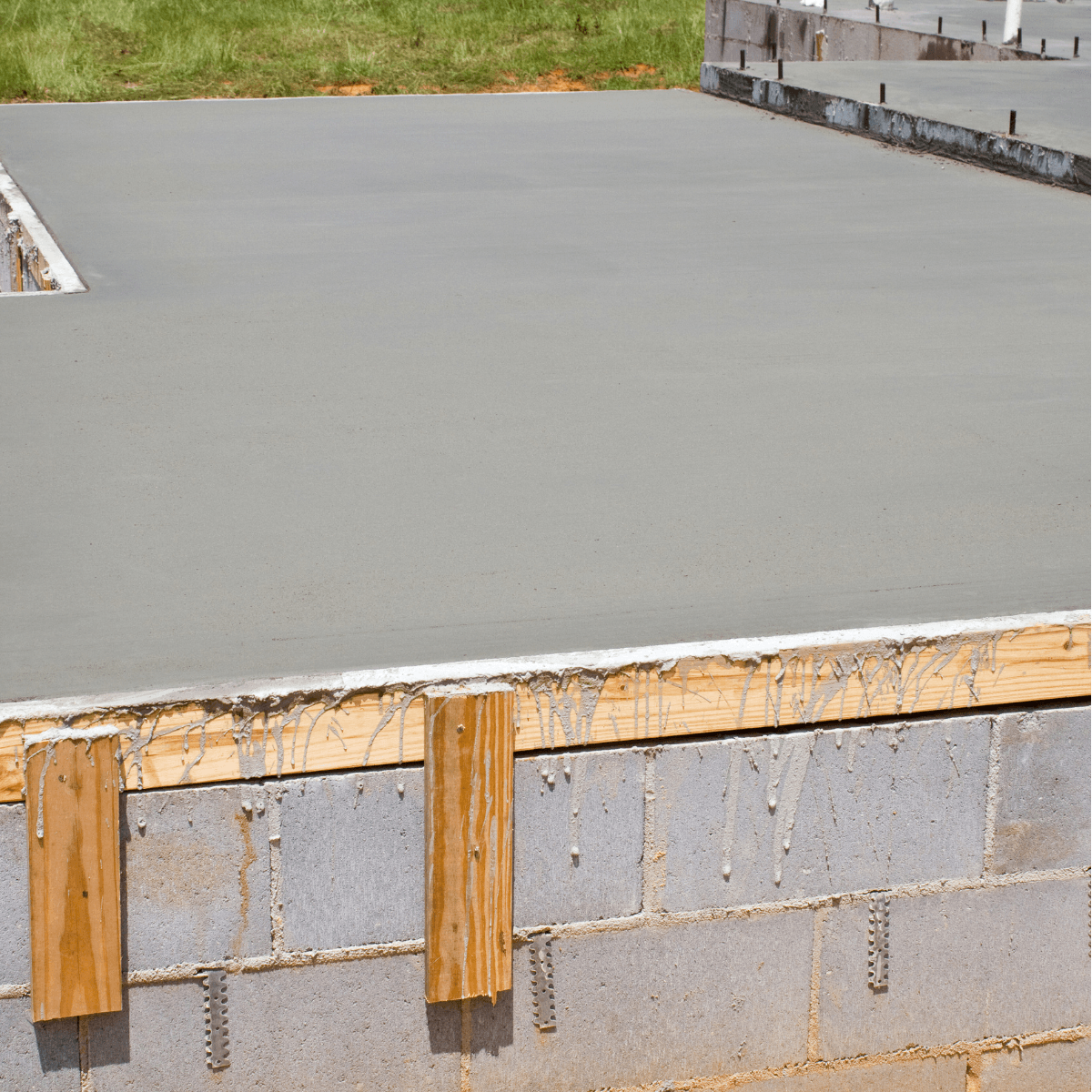
Warm weather makes summer popular for outdoor construction. However, high temperatures can cause fresh concrete to lose moisture too quickly. Rapid drying may affect surface quality and long-term strength. Therefore, contractors must plan placement, finishing, and curing around actual site conditions. Shade, wind, humidity, and concrete temperature can all influence the process. Professional crews use proven methods to protect moisture while the slab develops strength. Additionally, they’ll advise you when the surface can handle foot traffic or heavier loads. Rushing the next construction phase can damage a slab before it’s ready. Proper curing isn’t an optional waiting period. Instead, it’s a critical part of concrete slab installation. When handled correctly, the slab gains the durability needed for years of outdoor use. Skilled scheduling and careful protection make a noticeable difference during North Carolina summers.
Start Your Backyard Project With Pacheco’s Custom Masonry & Concrete
Pacheco’s Custom Masonry and Concrete installs custom concrete slabs for residential and commercial projects across Eastern North Carolina. Our team will evaluate your site, planned use, drainage, and access before work begins. Then, we’ll recommend a slab design that supports your project without unnecessary complications. We focus on accurate preparation, reliable materials, and detailed finishing from start to cleanup. Additionally, we’ll communicate clearly so you understand each step. Professional concrete slab installation protects the investment you’ll place above it. Therefore, don’t let an unstable base limit your shed, outdoor kitchen, workshop, or equipment area. Build it on a foundation designed for strength and real-world use. Contact Pacheco’s Custom Masonry and Concrete today to request a free estimate. We’ll help you start your backyard project with confidence and lasting support.


Leave A Comment