
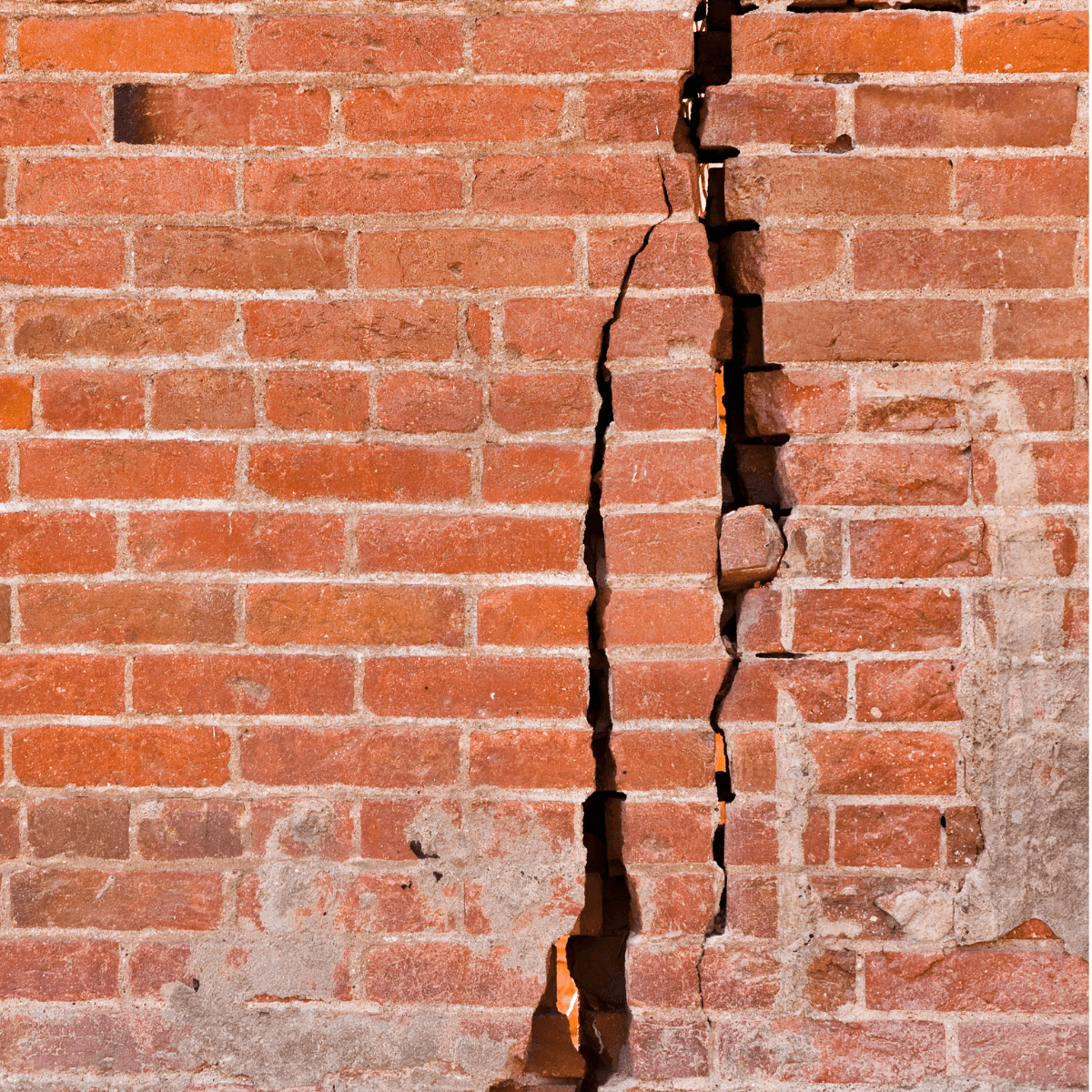
1. Mortar Is Cracking or Crumbling
Mortar holds individual bricks or stones together. When it begins to crack, flake, or fall out, the surrounding masonry loses important support. You may notice missing mortar along walls, steps, chimneys, columns, or patios. Some joints may look deeper than others. Small pieces of mortar might collect near the base of the structure. Age can cause mortar deterioration. Moisture exposure, movement, and improper previous repairs can accelerate the problem. Damaged joints may allow more water to enter, which can create further deterioration. A masonry contractor can examine the joints and determine whether targeted repair will solve the problem. In many cases, deteriorated mortar can be removed and replaced without rebuilding the entire structure.
2. Bricks or Stones Feel Loose
Loose bricks require prompt attention, especially around steps, porches, walls, and other frequently used areas. A loose unit can create a tripping hazard or fall away from the structure. Movement may begin after mortar deteriorates. Water intrusion, foundation changes, or impact damage can create similar problems. Nearby bricks may begin shifting once one section loses support. Avoid pushing a loose brick back into place or covering the joint with surface mortar. That approach may hide the damage without correcting its cause. A professional repair should restore proper placement and create durable joints.
3. Stair-Step Cracks Appear in Brickwork
Some masonry cracks follow the mortar joints in a stair-step pattern. This pattern can develop when part of the structure shifts or settles. Small cracks do not always indicate a major structural problem. However, growing cracks, wide gaps, or repeated movement deserve professional attention. The surrounding doors, windows, foundation, or drainage conditions may provide additional clues. Measure or photograph the crack if you notice it changing. Do not rely on filler as a permanent solution before identifying the cause. Repairing the visible crack alone may not stop it from returning. An experienced contractor can inspect the area and recommend the correct next step. Early evaluation may help limit more extensive masonry damage.
4. Bricks Are Flaking or Breaking Apart
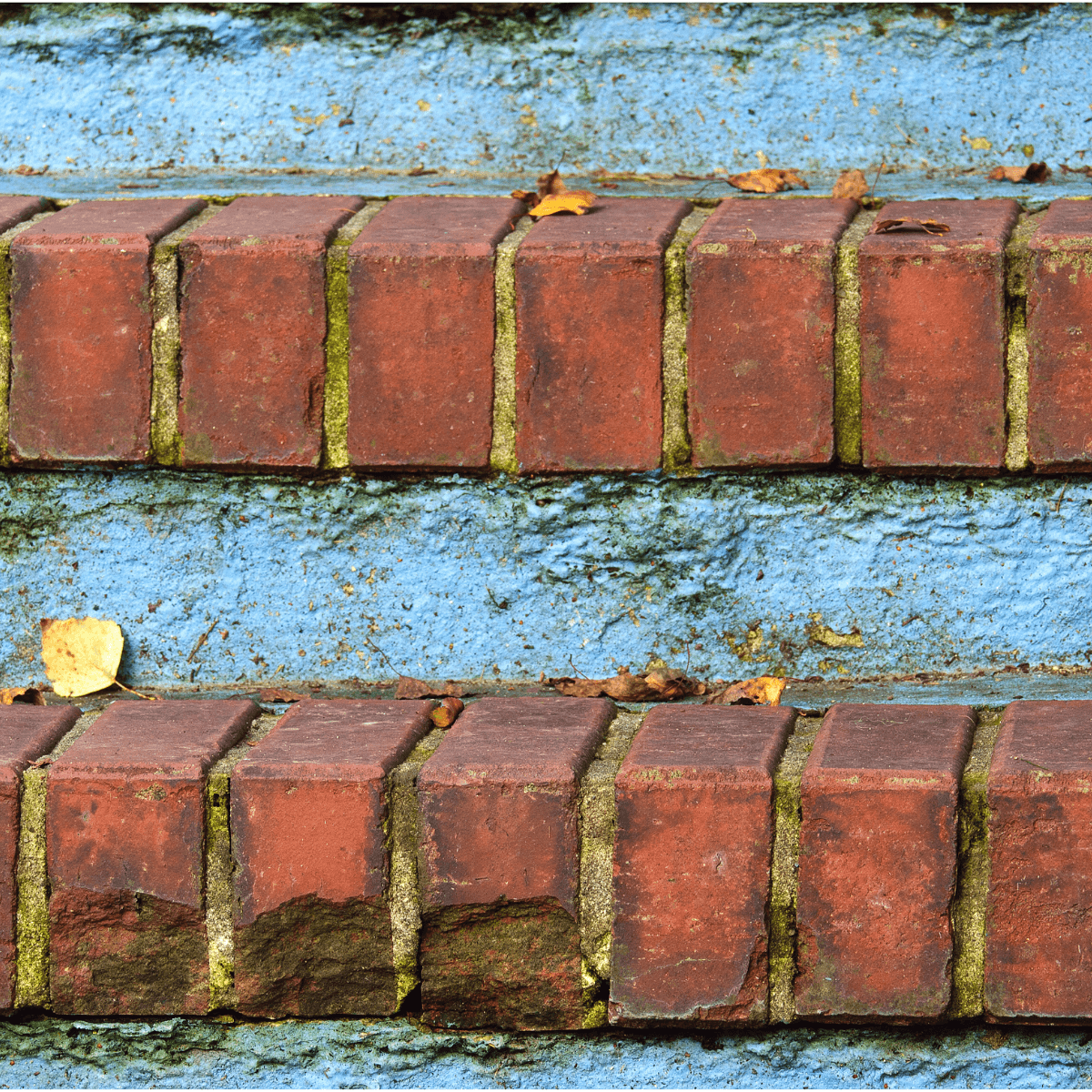
Brick faces sometimes chip, peel, or crumble. This damage often appears as small flakes at first. Over time, the brick may lose a larger portion of its outer surface. Moisture commonly contributes to this condition. Porous masonry can absorb water during wet weather. Temperature changes may then place pressure on the material. Damaged bricks cannot always be restored with mortar or sealant. Severely deteriorated units may require individual replacement. Matching the size, color, and texture helps the repaired section blend with the surrounding masonry. Prompt brick repair preserves the structure’s appearance. It can help prevent nearby mortar joints and bricks from experiencing additional exposure.
5. White Stains Keep Appearing
White, powdery deposits on masonry are known as efflorescence. They form when water moves through the material, carrying dissolved salts to the surface. Light surface deposits do not always mean the masonry has failed. However, recurring stains can indicate ongoing moisture movement. Cleaning the surface will not solve an active drainage or water-entry problem. Look for possible sources near the affected area. Damaged gutters, poor grading, leaking fixtures, or unsealed joints may direct water toward the masonry. Addressing the source of moisture should come before cosmetic cleaning. Otherwise, the stains may return, and the masonry may continue deteriorating.
6. A Wall, Column, or Mailbox Is Leaning
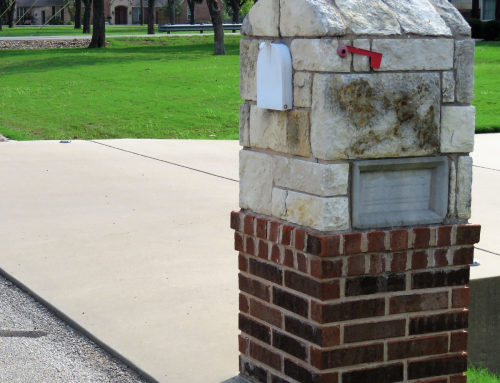
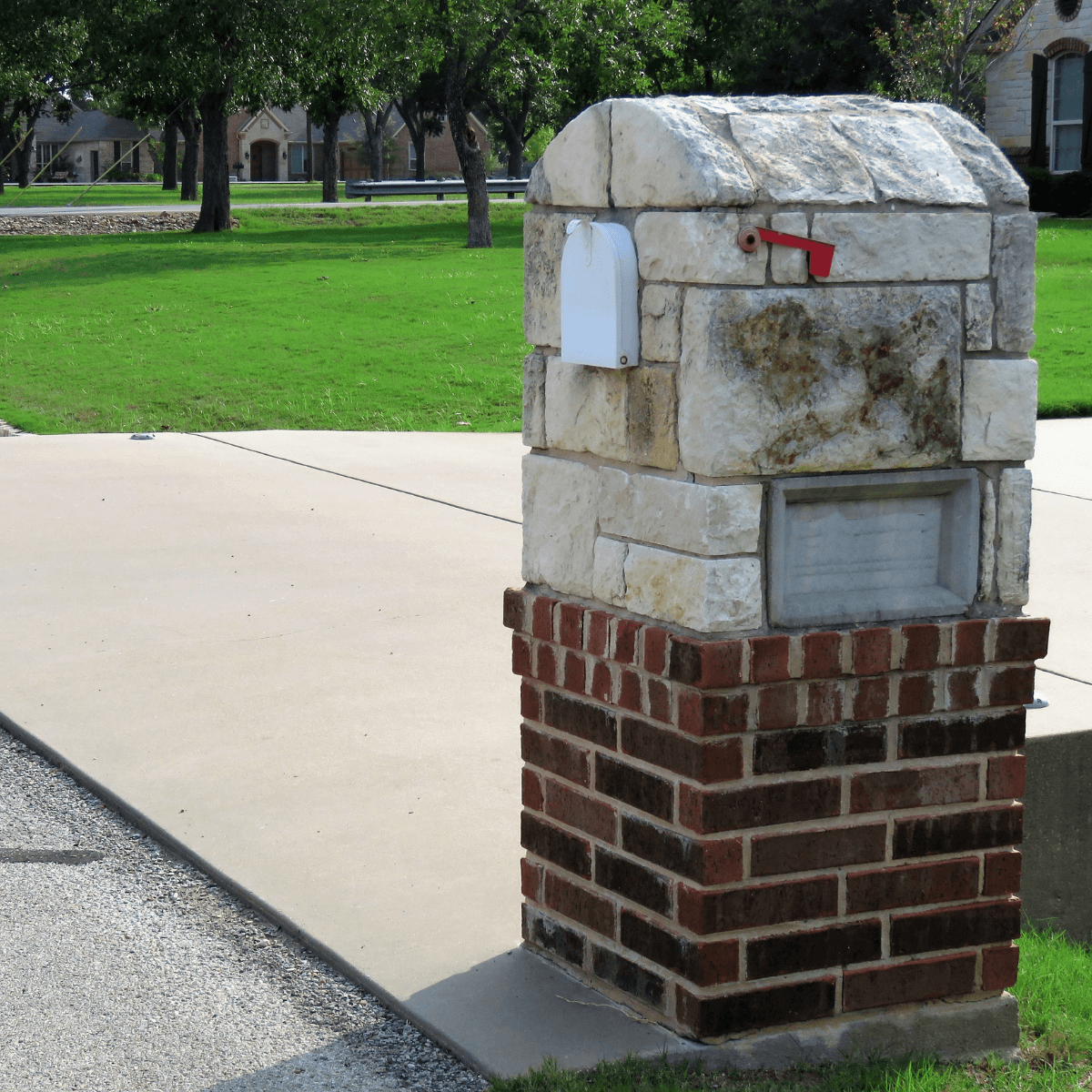
Masonry structures should not noticeably lean, bow, or separate from nearby surfaces. Movement may indicate problems with the footing, soil, drainage, or internal support. Leaning mailboxes and columns can become unstable. Bowing walls may require a more detailed evaluation. Gaps between masonry and adjoining materials can provide another warning sign. Don’t ignore movement because the structure still appears solid. Masonry carries significant weight, and instability may create safety risks. A professional can evaluate whether repair remains practical. Some structures may need partial rebuilding, while others require a new foundation or drainage correction.
7. Steps or Walkways Have Become Uneven
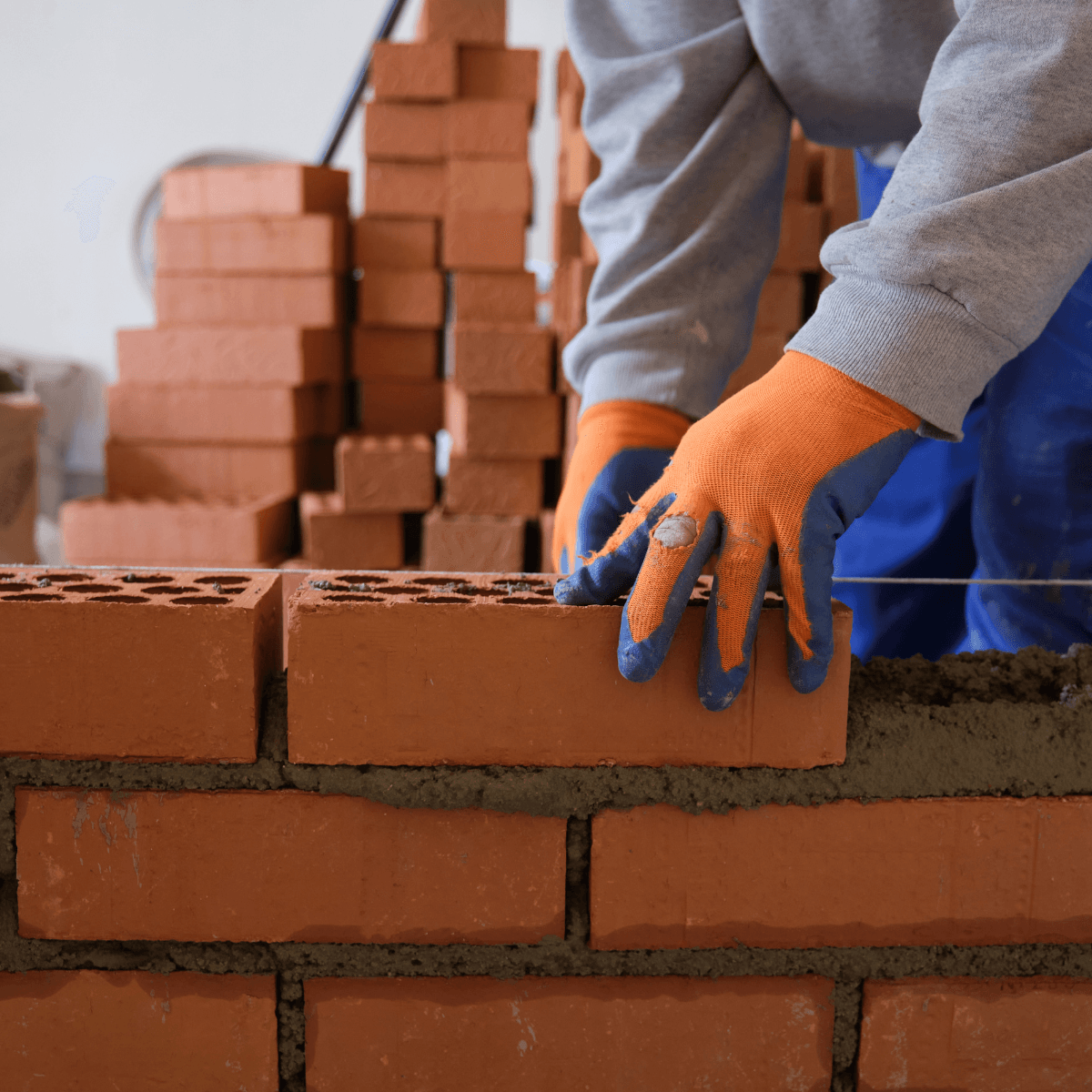
Brick and stone steps withstand foot traffic, rainfall, soil movement, and temperature changes. Mortar may loosen, individual units may shift, or entire sections may settle. Uneven masonry can create tripping hazards around entrances, patios, pathways, and porches. Water may collect in low areas and make the problem worse. Repairs should address more than the visible surface. A contractor may need to correct the base, restore drainage, or rebuild a damaged section. Proper preparation helps the repaired area remain level and secure.
Why Early Masonry Repair Matters
Minor masonry damage rarely improves on its own. Cracks can widen, mortar can continue falling out, and water can reach deeper sections of the structure. Early repairs often provide more options. A contractor may replace isolated bricks, restore mortar joints, or rebuild a limited section. Waiting could increase the project’s size and complexity. Timely repair can protect curb appeal, improve safety, and extend the structure’s useful life. It can help homeowners plan the work before emergency repairs become necessary.
Frequently Asked Questions About Masonry Work
Can cracked mortar be repaired without replacing the bricks?
Are small cracks in brick always serious?
What causes bricks to become loose?
Should I repair masonry myself?
When should I call a masonry contractor?
Schedule Masonry Repair With Pacheco’s Custom Masonry and Concrete
Damaged masonry can affect far more than your property’s appearance. Loose bricks, deteriorated mortar, widening cracks, and uneven surfaces may create safety concerns and allow moisture damage to spread. Pacheco’s Custom Masonry and Concrete provides professional brick, stone, and concrete repair for homeowners and businesses throughout North Carolina. Our experienced team will inspect the damaged area, explain the available repair options, and recommend a solution built for lasting performance. We approach every project with careful workmanship, reliable communication, and close attention to detail. Don’t wait for a minor masonry problem to become a larger and more expensive repair. Contact Pacheco’s Custom Masonry and Concrete today to request your free estimate and restore the strength, safety, and appearance of your property.


Leave A Comment