
Summer Storms Reveal Problems in Sloped Landscapes
Watch for Clear Signs of Soil Movement
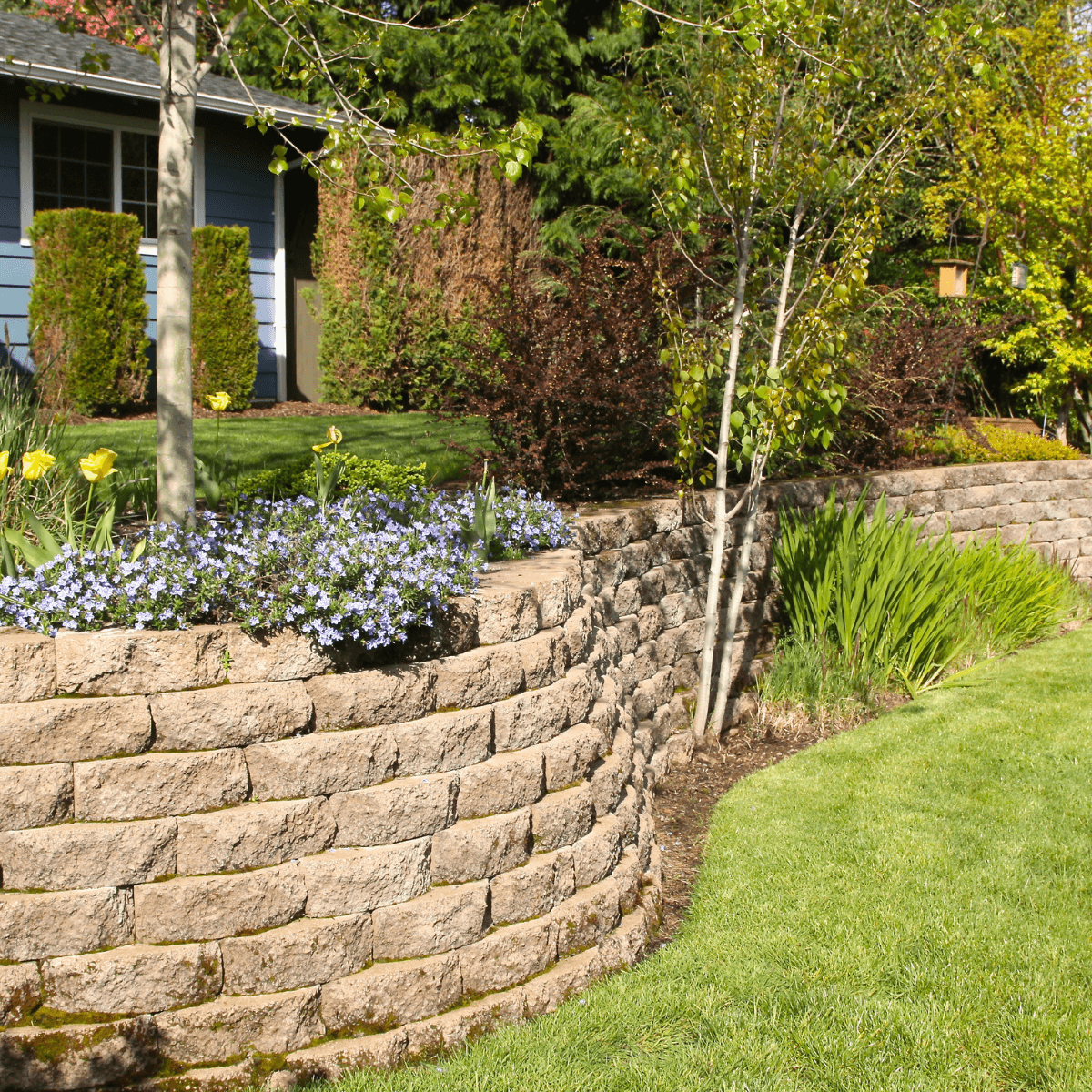
Several warning signs suggest your slope needs professional attention. First, look for exposed tree roots, bare patches, or soil collecting below the grade. Next, inspect nearby walkways and patios for sediment after heavy rainfall. Fence posts may begin leaning when surrounding soil shifts or washes away. Additionally, cracks can develop where hardscaping meets an unstable landscape edge. Water may also travel through the same channels after every storm. Consequently, those paths become deeper and more difficult to correct. A retaining wall for a sloped yard can interrupt this movement and support vulnerable areas. However, the wall must address the actual source of pressure and runoff. Simply stacking landscape blocks may hide the problem temporarily. A professional evaluation helps determine whether masonry, grading, drainage improvements, or combined solutions will provide lasting protection.
Retaining Walls Create More Usable Outdoor Space
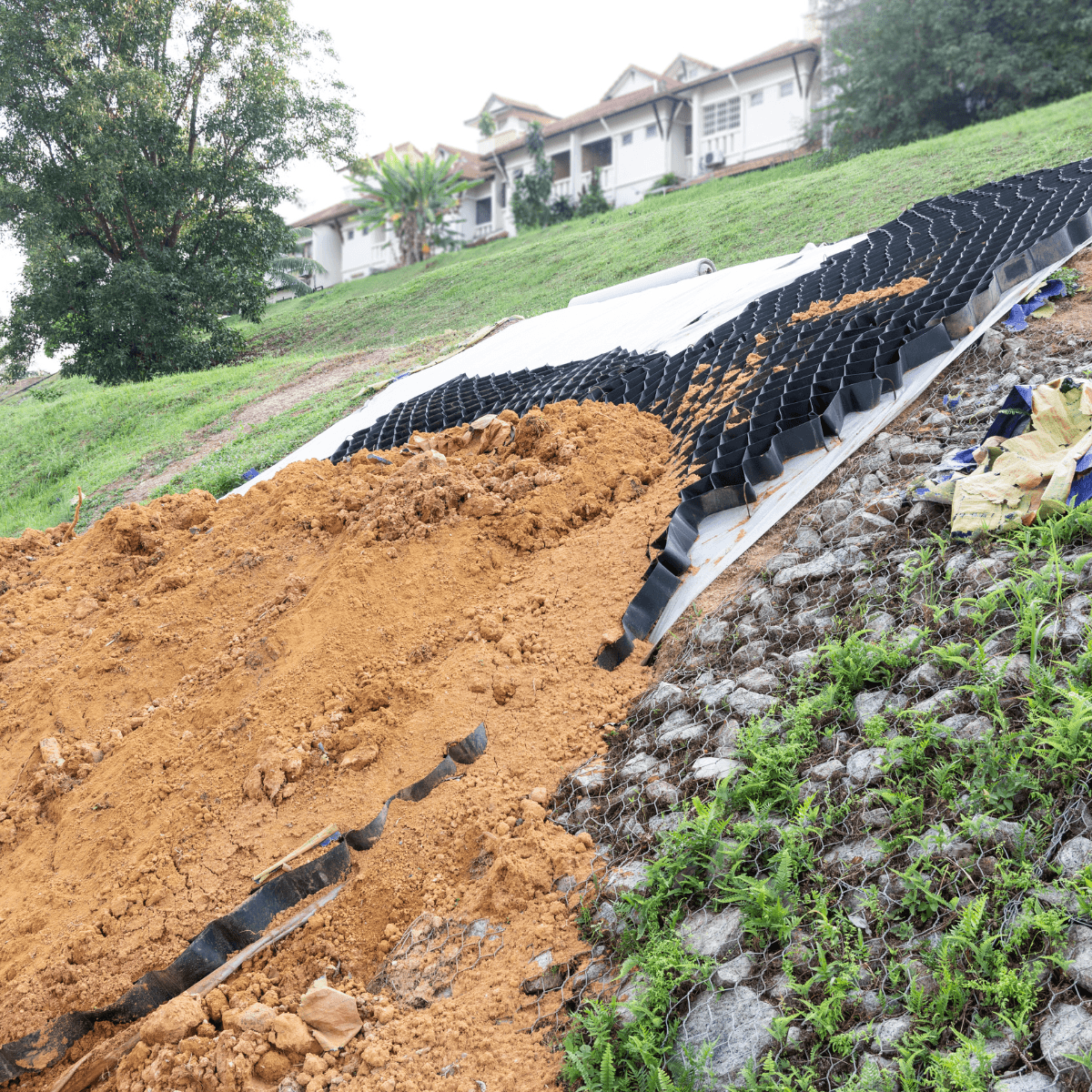
Retaining walls solve practical problems, but they can also transform a difficult yard. A steep slope may limit seating, gardening, play areas, or safe walking routes. However, terraced sections can create organized spaces with clearer purposes. One level might support flowers, while another creates room for a walkway or sitting area. Additionally, masonry walls add texture, structure, and visual interest to the landscape. Brick can coordinate with your home, while natural stone creates a more organic appearance. Concrete block systems can also provide clean lines and flexible design options. Therefore, your wall doesn’t have to look purely functional. The right materials can connect patios, steps, columns, and other hardscaping features. As a result, you’ll gain better soil control and a more attractive outdoor layout. Professional design helps every level feel intentional instead of crowded or disconnected.
Good Drainage Is Essential Behind Every Wall
Water creates significant pressure when it collects behind a retaining wall. Therefore, drainage must remain part of the design from the beginning. Gravel, proper backfill, and drainage components help water move away from the structure. Without that planning, trapped moisture can push against the wall and weaken it. The soil type, slope height, and runoff direction also affect construction decisions. Additionally, larger walls may require engineering or local approvals before work begins. An experienced contractor will evaluate these details rather than relying on appearance alone. Consequently, the wall can manage soil pressure and seasonal moisture more effectively. Surface grading should also direct water toward appropriate areas. A retaining wall for a sloped yard works best when the entire site supports the same goal. Strong materials matter, but thoughtful water management protects their performance.
Professional Construction Prevents Common Wall Failures
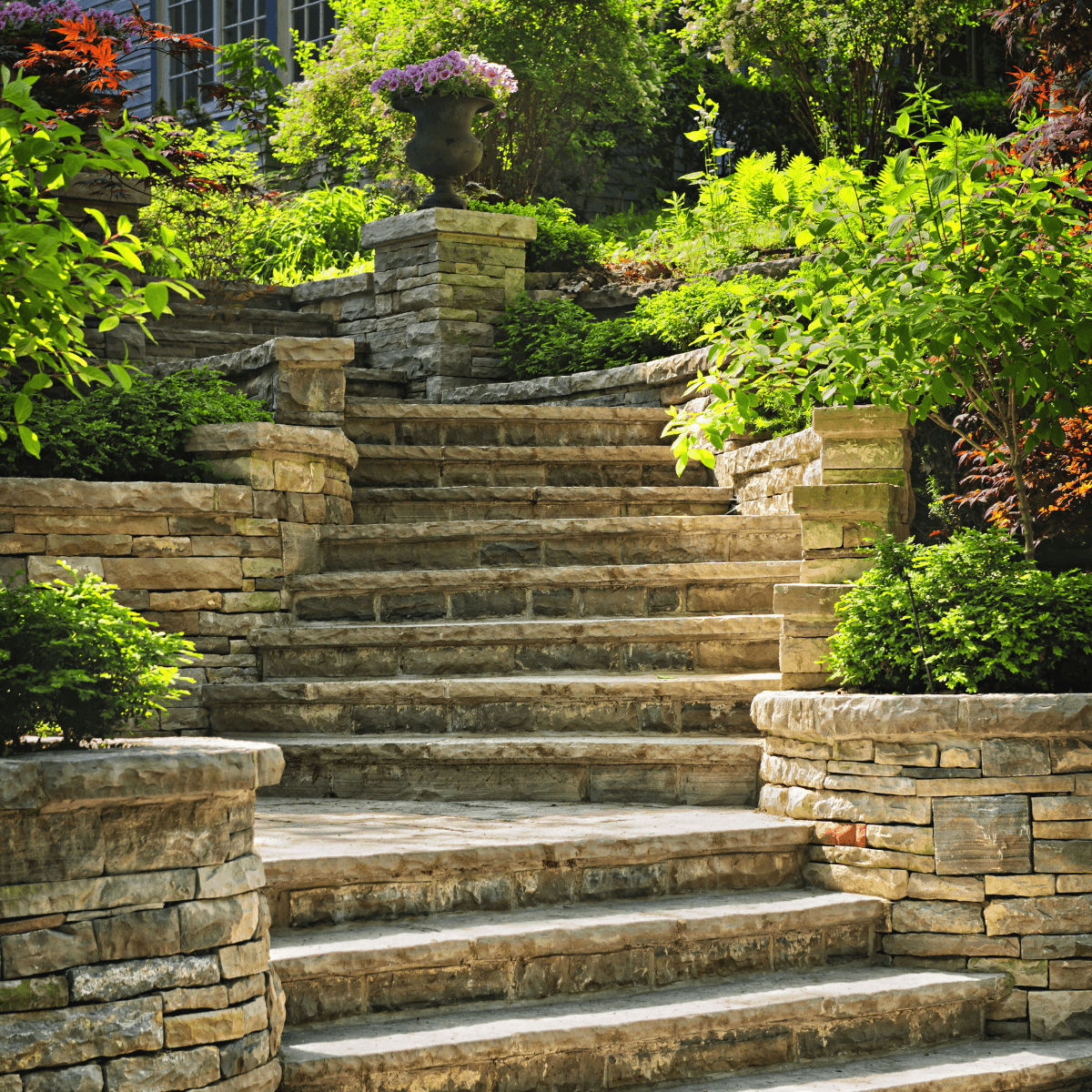
DIY retaining walls often fail because the base wasn’t prepared correctly. Uneven excavation can cause settling, while poor compaction creates weak sections underneath the wall. Likewise, missing drainage can lead to bulging, leaning, or separated blocks. These issues may appear slowly, but storms can accelerate the damage. Professional crews begin with accurate measurements and a stable foundation. Then, they select materials and reinforcement that match the wall’s purpose. Furthermore, they consider nearby structures, traffic, utilities, and property boundaries. Therefore, each part of the project supports safety and long-term performance. Skilled masonry also provides tighter joints and a cleaner finished appearance. Instead of rebuilding a failing wall later, you’ll invest in proper construction from the start. That approach protects your yard and reduces future repair concerns.
Prepare Your Yard With Pacheco’s Custom Masonry
Pacheco’s Custom Masonry and Concrete helps North Carolina homeowners improve sloped, uneven, and erosion-prone landscapes. Our experienced team can evaluate your property and recommend a practical masonry solution. We’ll consider soil movement, drainage patterns, surrounding structures, and your preferred design. Additionally, we’ll help you choose materials that complement your home and existing hardscaping. A retaining wall for a sloped yard should protect the property without sacrificing its appearance. Therefore, we combine careful site preparation with dependable craftsmanship on every project. Don’t wait for repeated storms to remove more soil or damage nearby surfaces. Instead, address the slope before minor erosion becomes a larger project. Contact Pacheco’s Custom Masonry and Concrete today to request a free estimate. We’ll help you create a stronger, more useful outdoor space built for North Carolina weather.
Leave A Comment