
Brick, block, and stone are among the most durable materials you can build with—but even the strongest surfaces need care. Over time, North Carolina’s mix of heavy rain, humidity, and seasonal temperature swings can cause cracks, mortar erosion, and staining. The good news? Regular maintenance keeps those issues from turning into major repairs.
The challenge lies in knowing when simple upkeep is enough—and when it’s time for a full replacement. That’s where understanding proper masonry maintenance in NC makes all the difference.
1. Why Masonry Maintenance Is Worth the Effort
It’s easy to assume brick or stonework will last forever without attention, but just like a roof or driveway, masonry needs regular care to stay strong. Over the years, moisture seeps into mortar joints, roots push against foundations, and freeze-thaw cycles cause tiny cracks to expand.
Keeping up with maintenance preserves both the structure and appearance of your home. It prevents water infiltration, controls erosion, and helps your masonry withstand the state’s shifting weather patterns. For North Carolina homeowners, scheduling a fall inspection is ideal—temperatures are mild, and repairs can be completed before winter brings added stress to weakened areas.
2. Common Signs Your Masonry Needs Repair
Recognizing early warning signs helps you address problems before they become expensive. Walk around your property and look for these indicators:
-
Cracks in mortar or bricks – Small gaps may seem harmless but can quickly widen with moisture and temperature changes.
-
Loose or crumbling joints – A clear sign your mortar is deteriorating and needs repointing.
-
White powder (efflorescence) – Caused by salt deposits left behind when water evaporates through the wall.
-
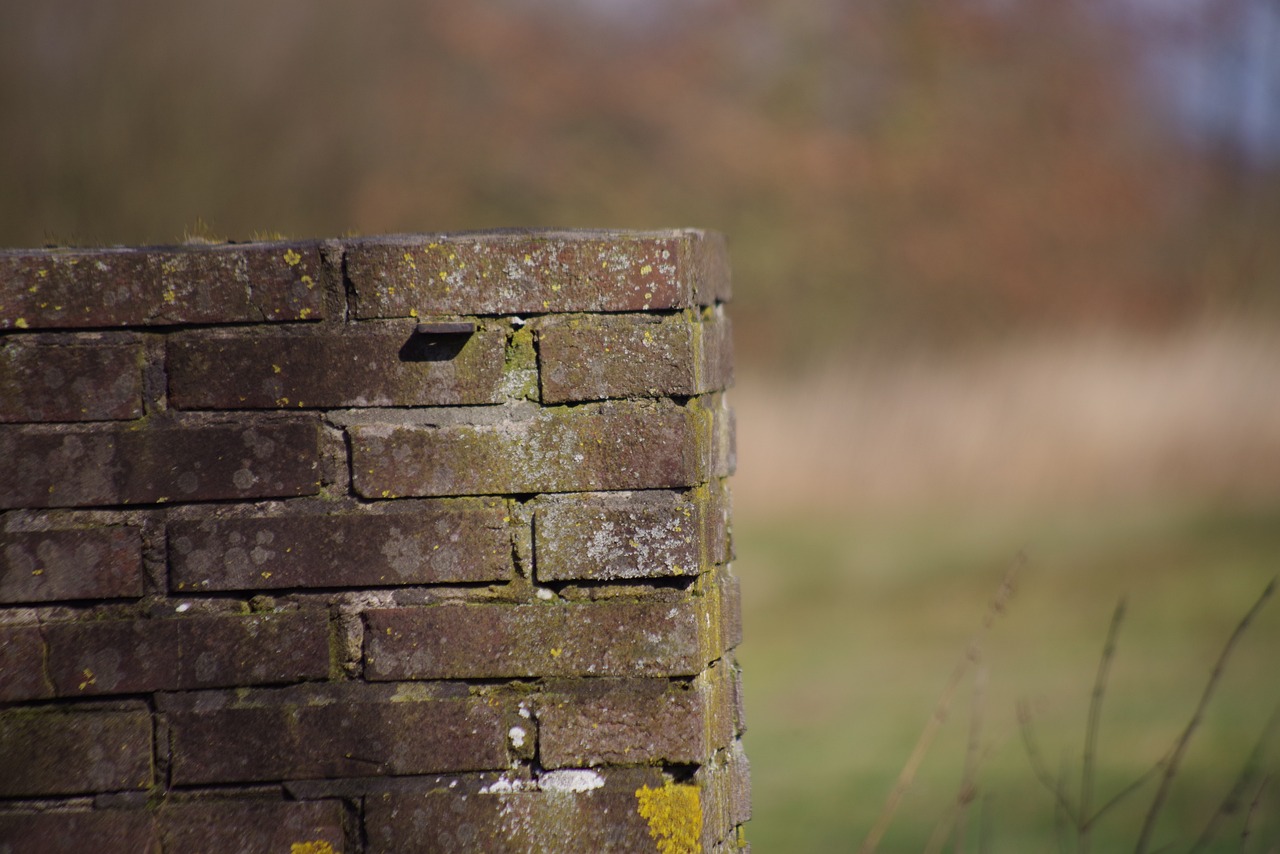
Discoloration or green growth – Algae and mildew thrive where water lingers too long.
-
Uneven settling or leaning – Often a sign of drainage issues or shifting soil beneath patios and retaining walls.
If you notice any of these, especially after heavy rainfall, it’s time to have a professional assess the damage.
3. Repair or Replace? Knowing What’s Right for Your Home
Not every masonry issue means starting over. In many cases, a skilled mason can repair problem areas and restore strength without removing the entire structure. Here’s how to know which route is best:
-
Repair (Maintenance-Level Work) – Ideal for surface cracks, minor mortar erosion, or early discoloration. Techniques like repointing, cleaning, and sealing can extend a wall’s life by decades.
-
Partial Replacement – Best when damage is localized—like one section of a walkway or retaining wall. The goal is to blend new materials seamlessly with the existing structure.
-
Full Replacement – Necessary when the wall or structure has lost stability, shifted significantly, or experienced extensive moisture infiltration.
An experienced contractor like Pacheco’s Custom Masonry can help you evaluate whether the structure’s integrity can be preserved or if rebuilding is the safer, more cost-effective option.
4. How Professional Maintenance Extends Masonry Lifespans
Proper masonry care is both preventive and restorative. At Pacheco’s Custom Masonry, we take a long-term approach to protecting your investment. Our maintenance services include:
-
Tuckpointing and repointing – Replacing worn mortar with fresh material that matches the original look and strength.
-
Pressure washing and sealing – Safely removing dirt, algae, and efflorescence while sealing against moisture.
-
Crack filling and structural stabilization – Reinforcing weakened areas before they spread.
-
Drainage and grading improvements – Preventing future water damage around patios, steps, and retaining walls.
Our team uses proven materials and techniques designed for North Carolina’s unique climate—from humid summers to cold, wet winters—so your masonry holds up beautifully year after year.

5. Preserve Your Masonry Before Winter Weather Arrives
When it comes to masonry maintenance, timing matters. Addressing small issues in the fall helps your home weather winter storms without damage. Once temperatures drop, moisture trapped in cracks can freeze and expand, leading to costly structural problems.
By scheduling a professional inspection now, you can protect your property, extend the life of your masonry, and avoid larger repairs in the future. Whether it’s a crumbling brick walkway, a stained retaining wall, or mortar joints showing their age, Pacheco’s Custom Masonry is here to help you make the right call.



Leave A Comment