

Why Epoxy Failures Happen
Epoxy looks tough, yet failures happen when the slab and conditions don’t match the coating. In North Carolina, moisture and humidity create the biggest problems. Water vapor can rise up through the concrete and push through the coating from below. When that pressure builds, you may see bubbling, peeling, or white haze under the finish. Oil, tire residue, and old sealers also block adhesion, so epoxy can’t grip the surface. Temperature swings matter too, because cure times change in cool garages. If a floor gets used too soon, the coating can scuff, imprint, or delaminate. Therefore, “bad epoxy” is often a prep problem, not a product problem. The good news is you can prevent most issues with proper testing and preparation.
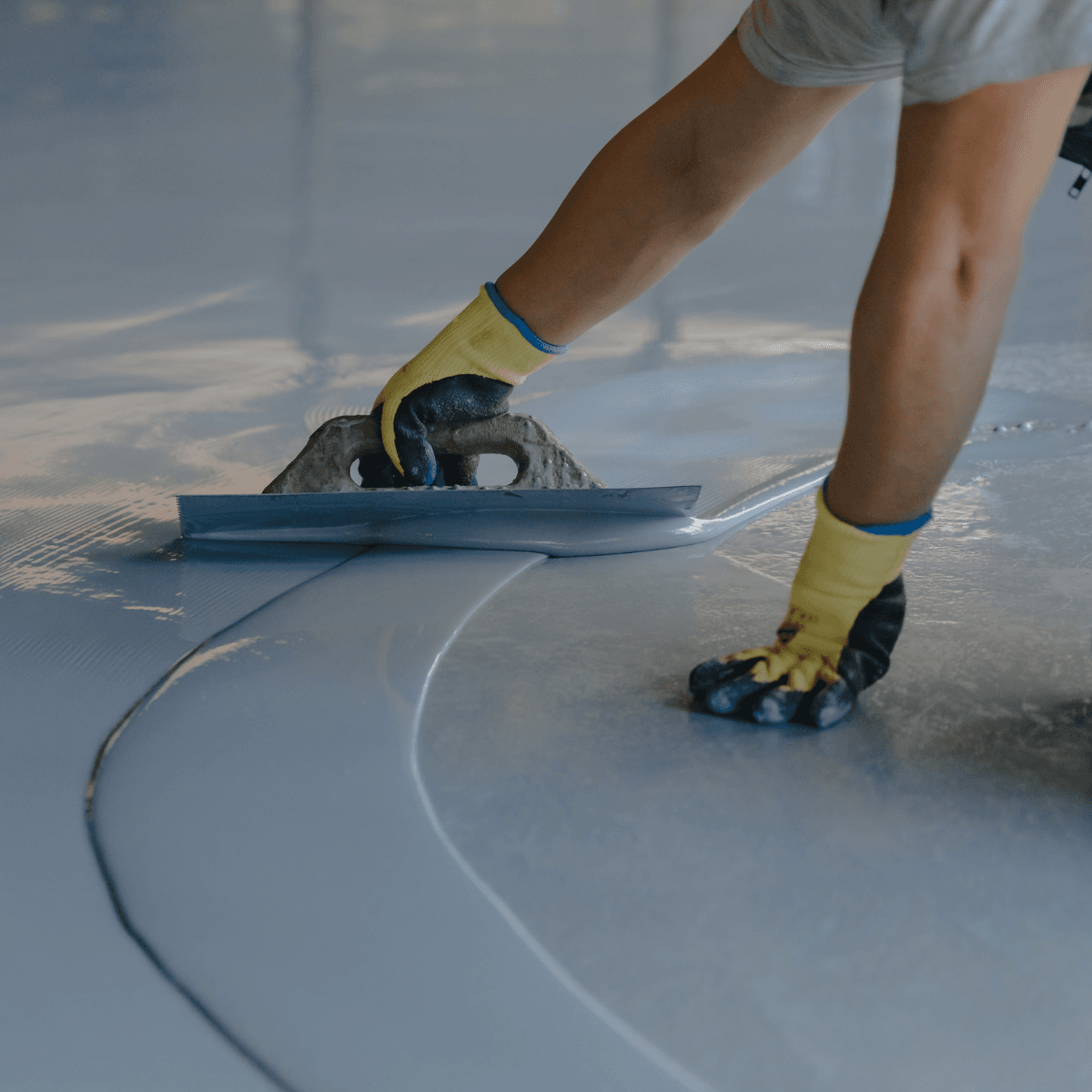
Custom Masonry installs epoxy floors with a process built for NC conditions, so the finish lasts. Their team focuses on bonding, moisture control, and long-term performance.
Moisture Testing: The Step Most DIY Jobs Skip
Moisture is the silent reason many garage coatings fail in this region. Concrete may look dry, yet vapor can still travel upward through the slab. That movement increases after heavy rain, poor drainage, or high water tables. Because of that, professional installers test moisture before coating begins. Tests can include humidity probes, calcium chloride kits, and a close inspection for darkened areas. If moisture readings are high, the solution may involve a vapor barrier primer or a different coating system. Also, gutters and grading may need correction to reduce water around the slab. Without these steps, blistering can show up within months, especially near edges and expansion joints. Even small cracks can become moisture highways when winter dampness lingers.
Custom Masonry takes moisture seriously, because the best coating can’t beat hydrostatic pressure alone. When you want epoxy floor coating North Carolina homeowners trust, start with moisture data, not guesses.
Surface Prep: Grinding Beats Acid Etching Every Time
Strong epoxy bonds require a rough, clean surface with the right profile. Acid etching can’t always remove contaminants, and it often leaves uneven texture. Grinding, however, mechanically opens the concrete and creates a consistent surface for adhesion. That consistency helps prevent peeling near hot-tire areas and high-traffic lanes. In garages, oil and grease soak into pores, so cleaning must be thorough and repeated. Old paint, sealers, and curing compounds must also be removed, or epoxy bonds to the weak layer instead. Cracks and spalls need repair with compatible materials before coating begins. Otherwise, flaws telegraph through the finish and create stress points later. Proper prep also includes dust control, since fine dust can interfere with bonding.
Custom Masonry uses professional grinding and repair methods, so your garage epoxy flooring North Carolina project starts with a stable foundation. With correct prep, the coating cures into the slab, not on top of it.
Choosing the Right System: Topcoats, UV, and Traction
Epoxy systems vary, so the wrong choice can shorten the life of the floor. Some epoxies yellow under UV exposure, especially near garage doors. A UV-stable topcoat, like polyaspartic, can keep color cleaner and improve stain resistance. Hot-tire pickup is another issue, since warm tires can soften weaker coatings. A quality system resists tire marks and reduces peeling in parking zones. Slip resistance matters too, because wet shoes and winter rain create slick conditions. Additives can increase grip while keeping the floor easy to clean. Chemical resistance also matters in garages, where brake fluid and cleaners can spill. You should ask about thickness, cure time, and recommended return-to-service windows. A rushed schedule can’t replace chemistry and curing.
Custom Masonry recommends systems based on your use, sunlight exposure, and maintenance preferences. That guidance helps you avoid paying twice for a floor that fails early.
Winter Timing, Maintenance, and a Clear Next Step
Winter installs can succeed, but conditions must be managed carefully. Cooler air slows curing, and humid days can affect open-time and finish quality. Therefore, heaters, ventilation, and correct mixing ratios matter during installation. You also need a realistic timeline for walking, parking, and placing storage back on the floor. After curing, simple habits protect your investment for years. Use soft-bristle cleaning, avoid harsh acids, and wipe salt or mud quickly after storms. Place pads under jacks and heavy stands to prevent point-load damage. If you notice bubbling or peeling, don’t keep patching blindly. Get the slab evaluated, because moisture or contamination usually remains underneath. For epoxy floor coating in North Carolina, property owners can rely on a contractor who understands the causes of failure.
Custom Masonry delivers durable epoxy floors with professional prep, moisture testing, and strong communication. Contact them today for an on-site quote and a floor that stays solid season after season.
Leave A Comment