
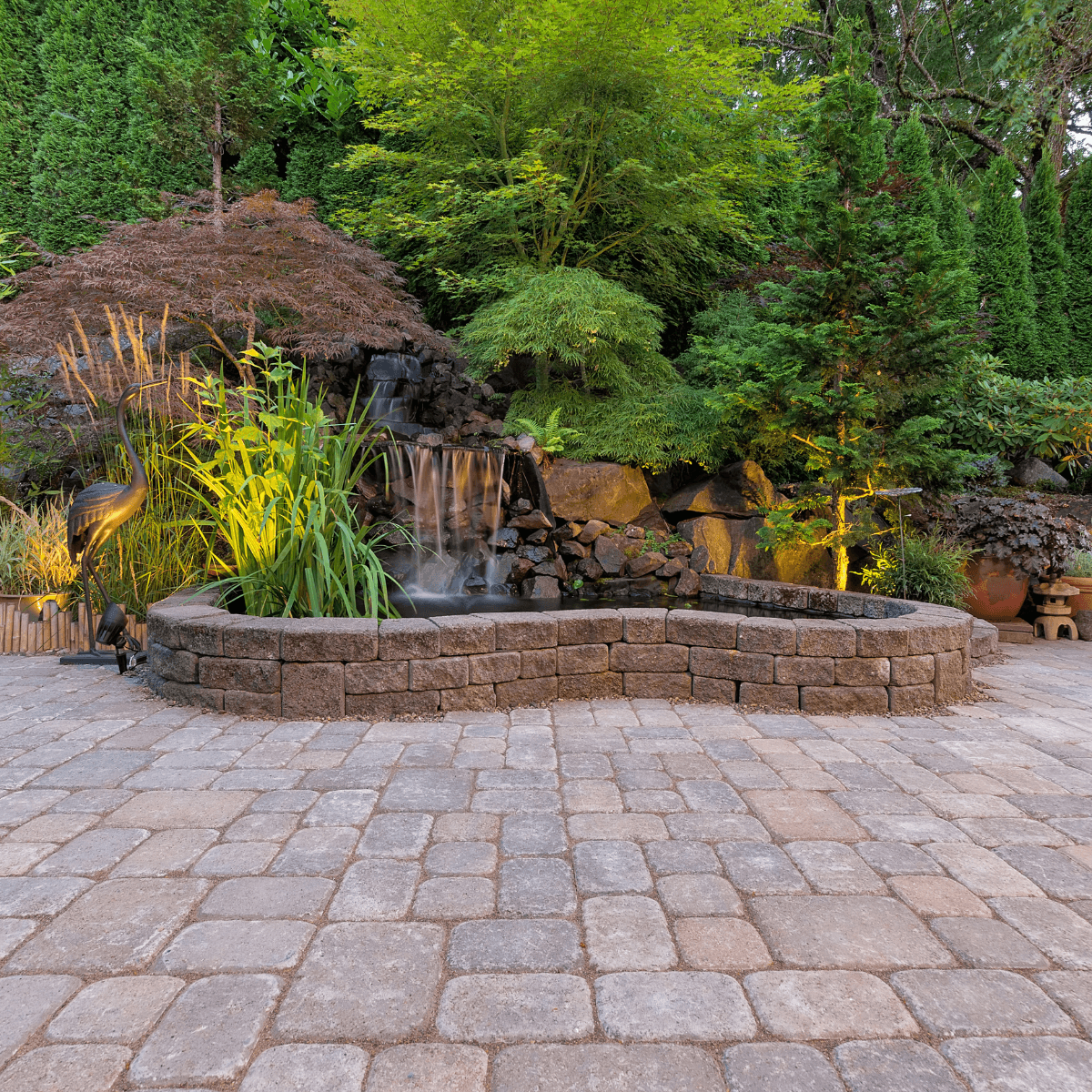
When you begin planning a new patio, walkway, or outdoor living space, choosing the right surface becomes one of the most important decisions you will make. In North Carolina, homeowners often narrow the choice to two top contenders: stamped concrete and pavers. Both materials bring durability, beauty, and long-term value, yet each performs differently and suits different needs. As you compare stamped concrete vs pavers, understanding the strengths of each option helps you invest confidently in a surface that lasts through every season.
Stamped Concrete: Seamless Beauty with Endless Design Potential
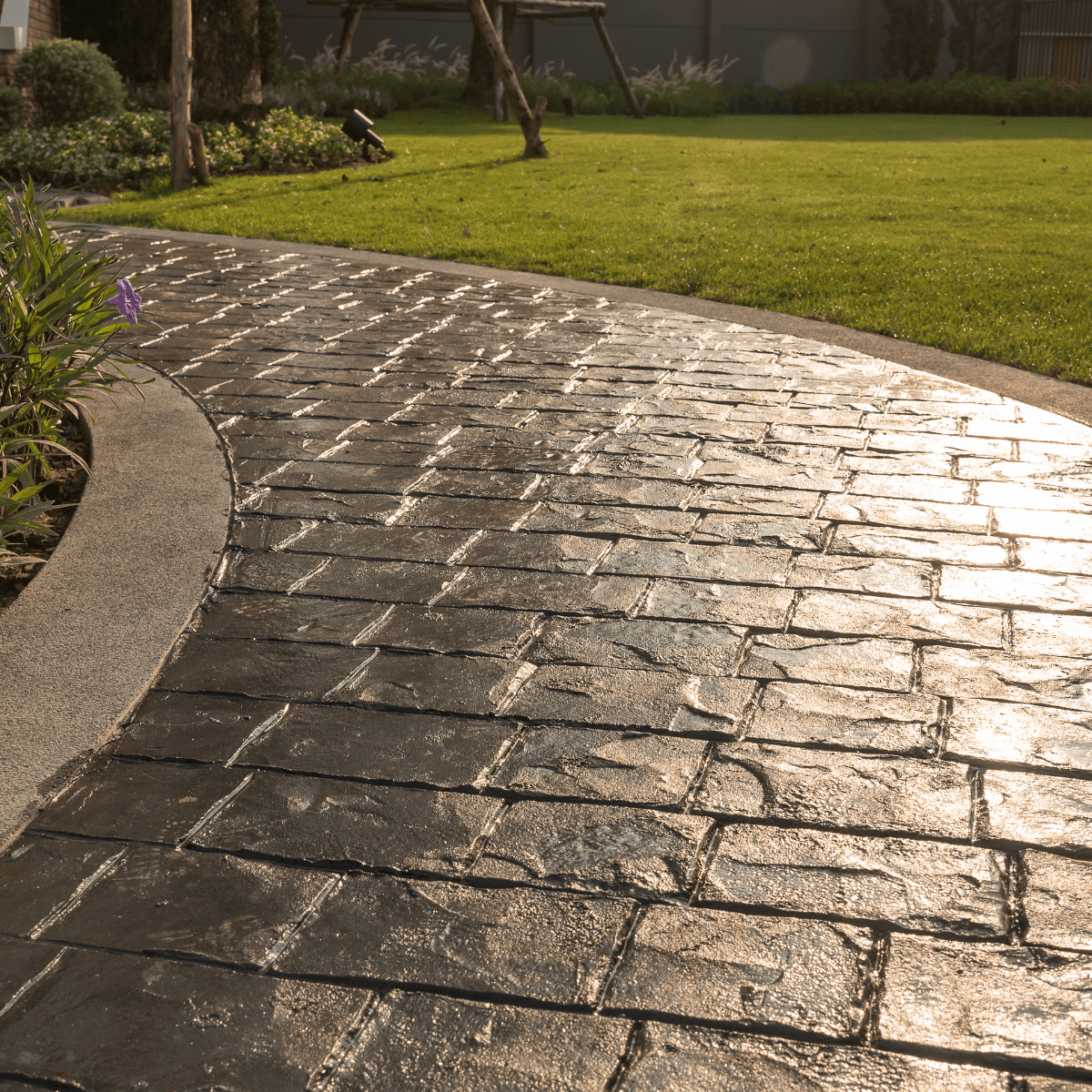
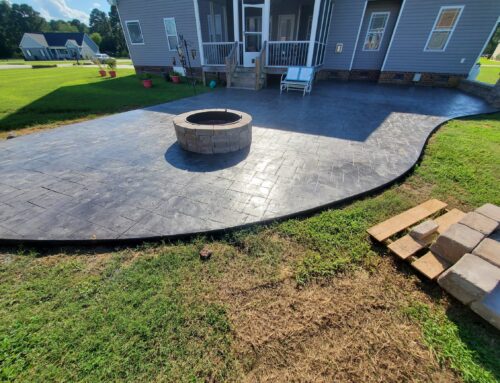
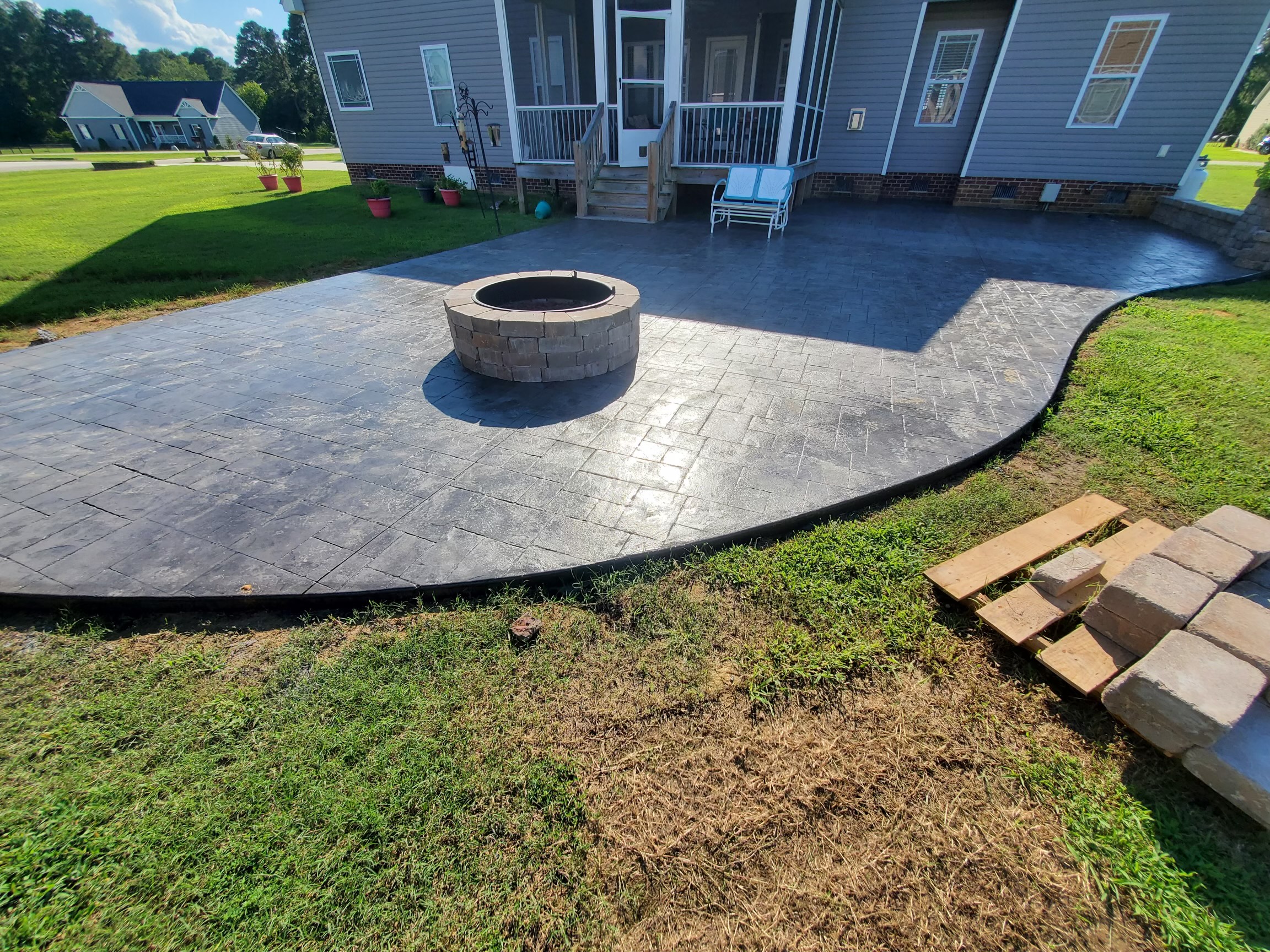
Stamped concrete continues to rise in popularity because it offers the appearance of stone, brick, or even wood without the maintenance those materials often require. Contractors pour concrete as a single slab and then imprint it with patterns while the surface is still workable. Because the slab remains continuous, the design stays smooth and cohesive.
This option works especially well in North Carolina, since stamped concrete handles hot summers and cool winters well when installed correctly. You can choose from countless patterns, textures, and colors that blend perfectly with your home. A stone-style finish can elevate a patio, while a brick-style texture adds charm to walkways or pool areas. Since the surface stays even, furniture rests comfortably and cleaning remains simple.
Stamped concrete also provides excellent value. Compared to custom stonework or hand-laid masonry, it often comes at a lower cost while still delivering a high-end look. When sealed properly, the surface resists stains and maintains color for years. Because the finish stays consistent across the entire space, the design feels polished and intentional.
Pavers: Classic Style with Flexible, Long-Lasting Performance
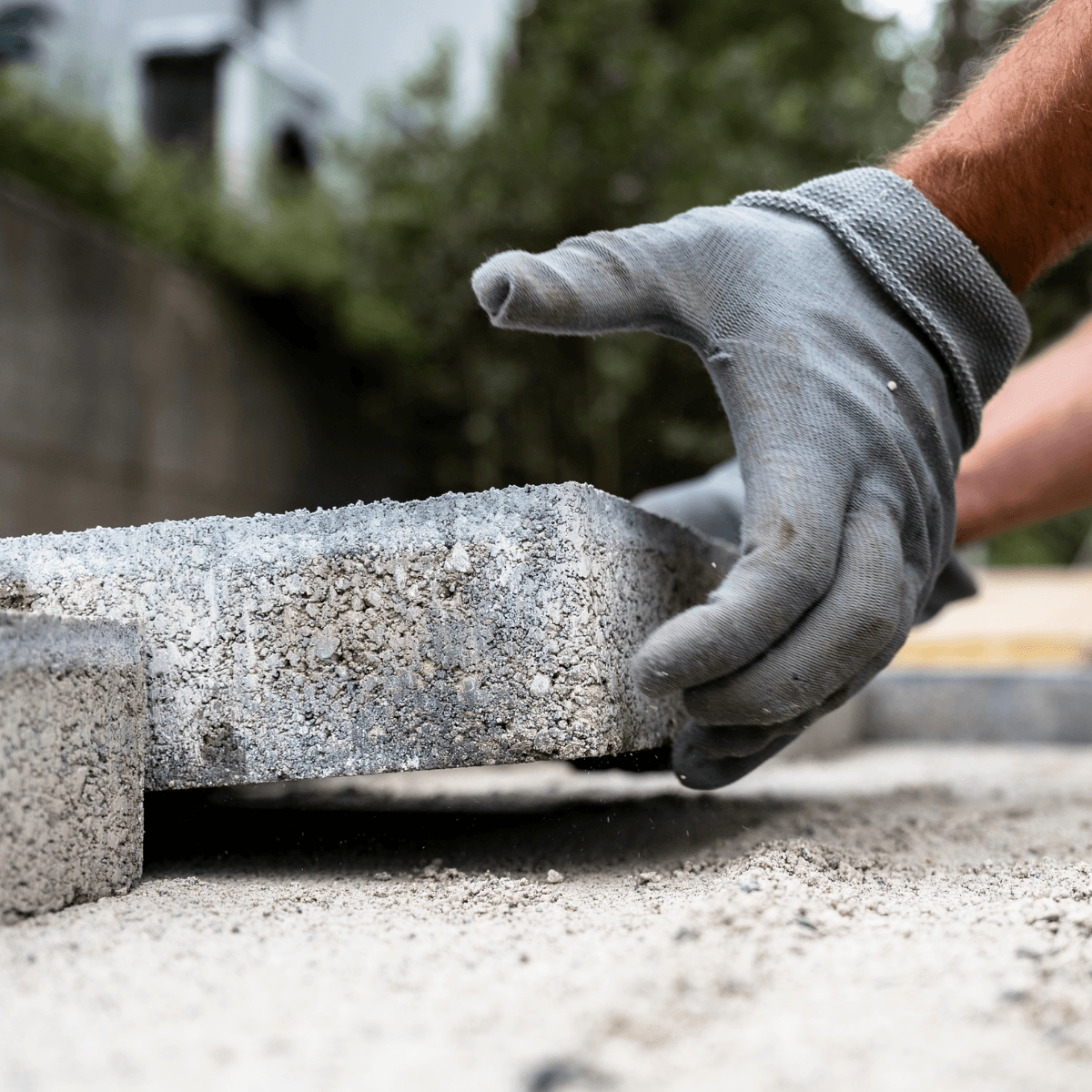
Pavers offer a different set of strengths. Instead of one solid slab, pavers use individual units made of concrete, brick, or stone. These pieces interlock or fit closely together, creating a strong, flexible surface. Homeowners who prefer a more handcrafted or traditional look often choose pavers because the texture and variation feel rich and timeless.
In North Carolina, pavers handle freeze-thaw cycles extremely well. When the ground shifts slightly, the joints between the units absorb movement and prevent major cracking. If one paver chips or becomes stained, you can replace only that piece instead of resurfacing the entire patio. This flexibility makes pavers a smart long-term choice.
Design variety also stands out. You can choose different shapes, sizes, blends, and patterns to build something custom. Herringbone, basketweave, running bond, and random layouts each bring their own character. Because pavers come in modular sizes, they adapt easily to curved edges or multi-level spaces. As a result, your finished project feels handcrafted and tailored to your backyard.
Durability and Maintenance: How Each Material Holds Up in NC Weather
Durability becomes a major factor when comparing stamped concrete and pavers. Both options offer impressive strength, yet they behave differently under certain conditions.
Stamped concrete forms a single, solid surface. When installed correctly with reinforcement and proper curing, it withstands years of foot traffic and outdoor living. Sealing protects it from stains and fading, especially around grills or fire features. However, because the slab is continuous, it can develop cracks if the soil shifts or drainage problems arise. Those cracks can be repaired, yet they may remain slightly visible.
Pavers handle movement more gracefully. Their individual pieces shift slightly with the ground instead of cracking along a single point. The joints between pavers help water drain naturally, which reduces surface pooling. Although weeds or moss can grow between the pavers, regular sweeping or occasional polymeric sand helps prevent that.
Maintenance also differs. Stamped concrete needs resealing every few years to preserve its color and finish. Pavers may need periodic joint refilling, yet the surface usually remains strong with minimal effort. Both materials last for decades with proper care.
Aesthetic Appeal and Customization Options for Every Style
Your outdoor living space should reflect your personal style, and both stamped concrete and pavers offer beautiful results. Still, they achieve those results in different ways.
Stamped concrete gives you a clean, expansive appearance with continuous texture. Because there are no gaps, the pattern flows smoothly, creating a unified surface. The coloring process adds depth and variation, which helps mimic natural stone convincingly. This option suits homeowners who want a modern, streamlined look or a patio that blends seamlessly with surrounding masonry.
Pavers, on the other hand, shine through detail. The joints, texture variation, and individual stones create visual rhythm and dimension. As light hits the surface, the subtle differences in each unit stand out. If you love a classic garden feel, a rustic retreat, or a European-inspired courtyard, pavers deliver that charm naturally.
As you explore backyard upgrades, think about how your home’s exterior ties into your outdoor space. A stamped concrete patio may complement a contemporary home beautifully, while pavers may pair better with traditional brick or stone facades. Both choices elevate curb appeal, yet your design style will guide which one fits best.
Choosing the Right Option for Your Backyard Upgrade
Both stamped concrete and pavers offer strong, attractive solutions for patios, walkways, pool decks, and gathering areas. The right choice depends on your budget, your aesthetic preferences, and the way you plan to use the space. Stamped concrete brings seamless beauty, lower upfront cost, and endless design flexibility. Pavers deliver superior movement tolerance, easy repairs, and classic charm.
Because every backyard sits on unique soil and handles water differently, your project deserves a thoughtful evaluation. Pacheco’s Custom Masonry helps homeowners across North Carolina choose the material that supports long-term durability and design goals. With expert installation and a clear plan, your backyard becomes a reliable, beautiful space for entertaining, relaxing, and enjoying time outdoors.
When you begin this decision in fall, you get enough time to finalize details, prepare the site, and move into the building phase smoothly once winter passes. By spring, you’ll have a finished surface ready for family gatherings, seasonal celebrations, and everyday comfort.
Leave A Comment