
What Temperature Drops Do To Brick
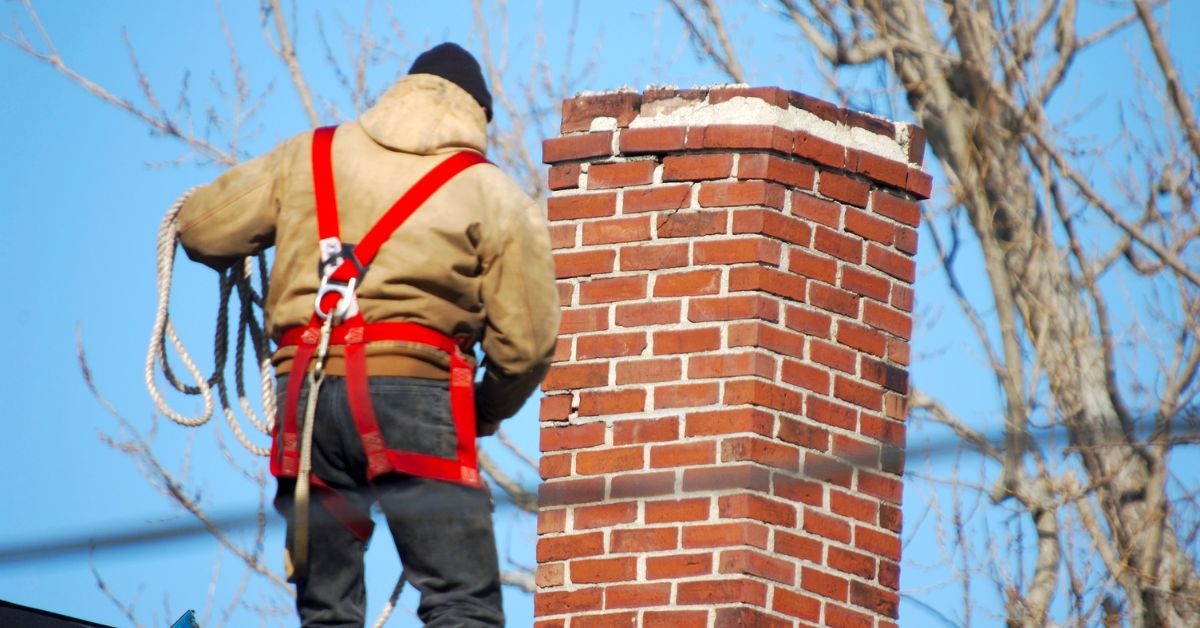
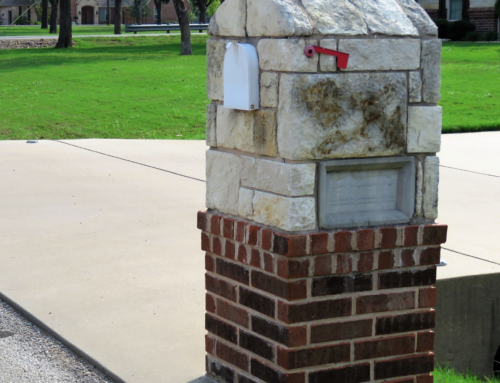
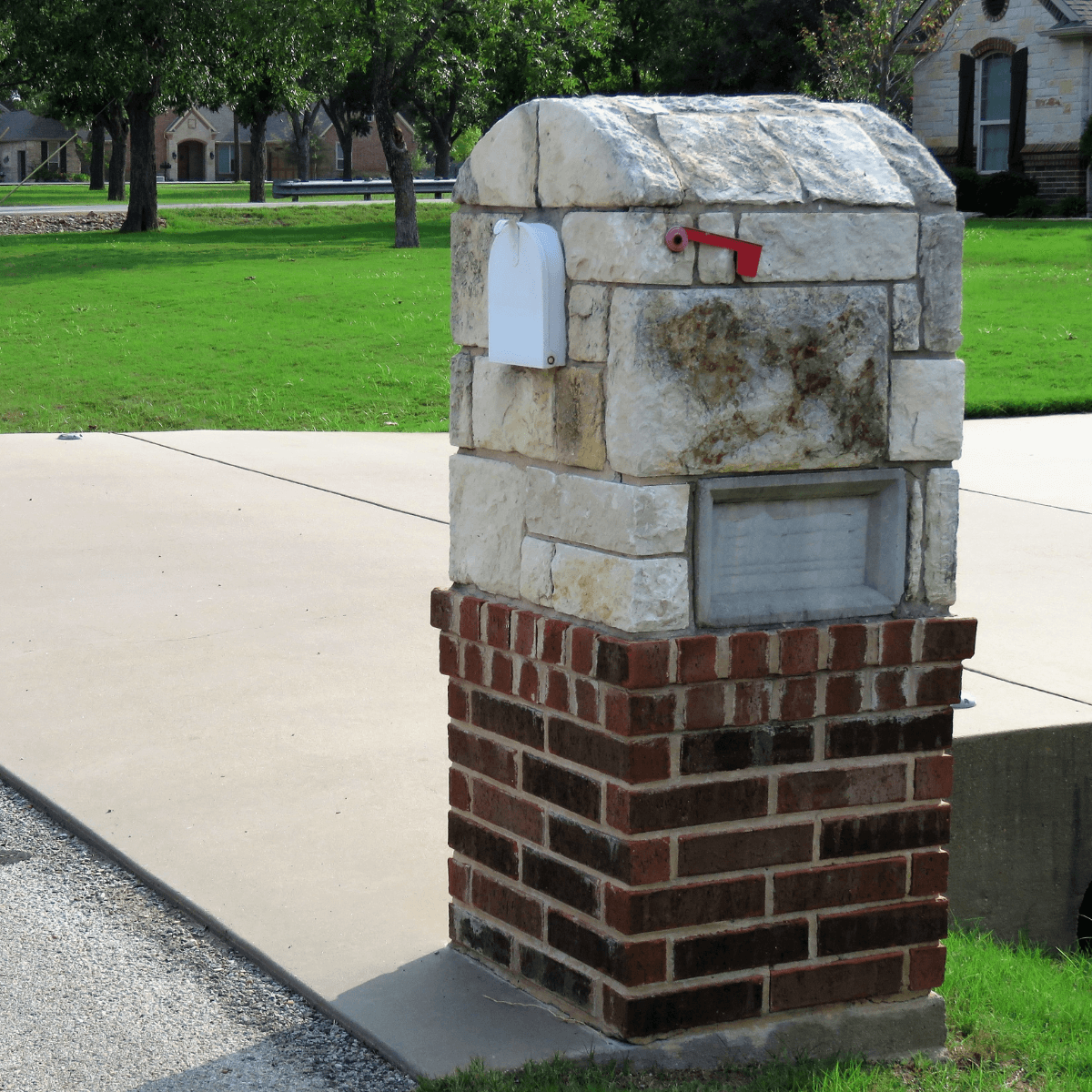
Winter in North Carolina often causes brick to deteriorate due to prolonged rain and damp conditions. As temperatures drop, trapped moisture expands, stressing the brick surface and causing flaking, chipping, and spalling. These issues commonly appear on steps, chimneys, garden walls, and mailbox columns. Signs such as sandy mortar, widening joints, or brick dust indicate water intrusion and require prompt attention. While many homeowners seek brick spalling repair after a severe winter storm, it is best to address the issue before it worsens. A thorough inspection can identify leaking joints, failed sealant, or poor drainage.
With a targeted plan, you can protect your home and quickly restore curb appeal. Hairline cracks near joints often precede visible spalling. Custom Masonry identifies the underlying cause early and outlines the following steps.
Why Spalling Happens: Moisture, Chimneys, and Drainage Issues
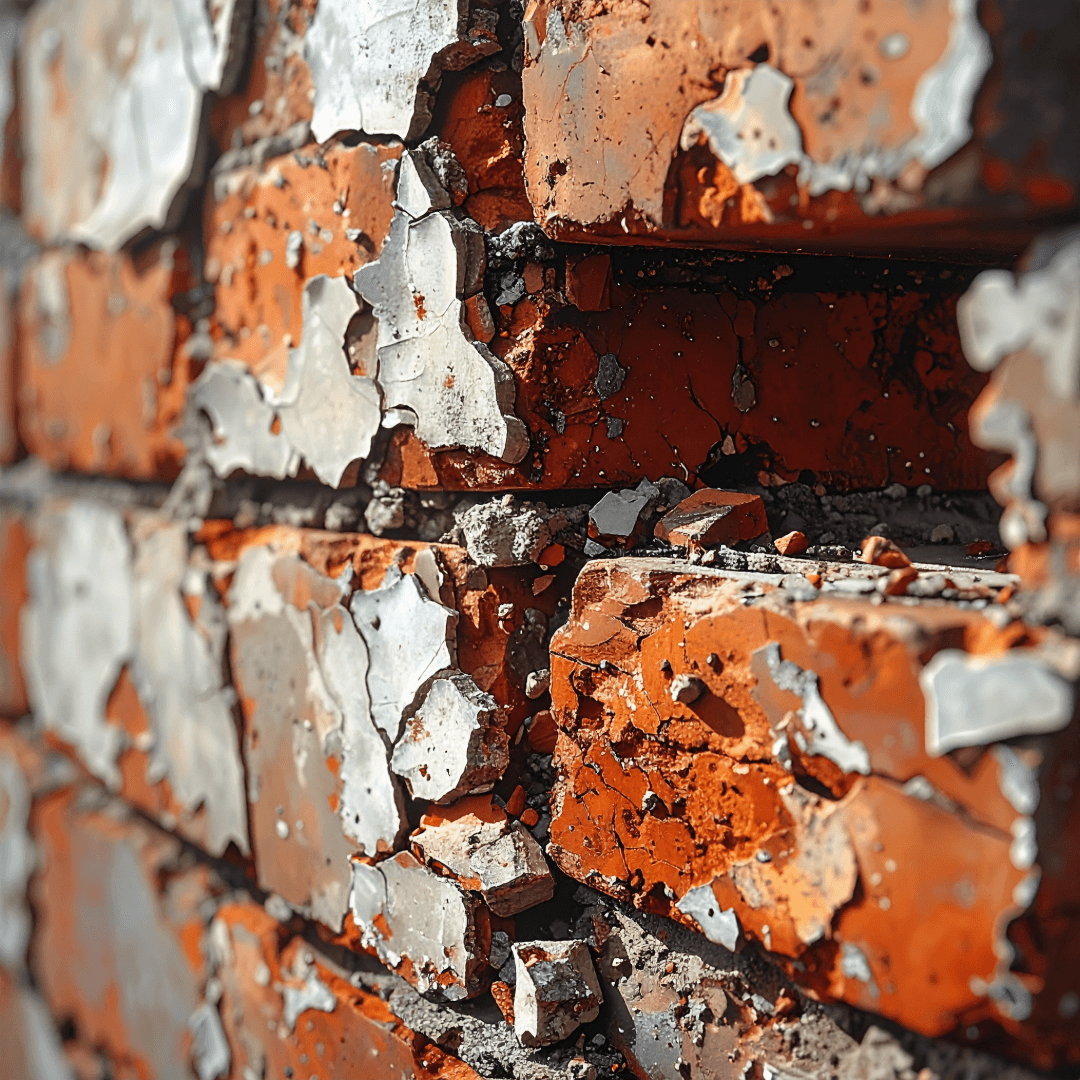
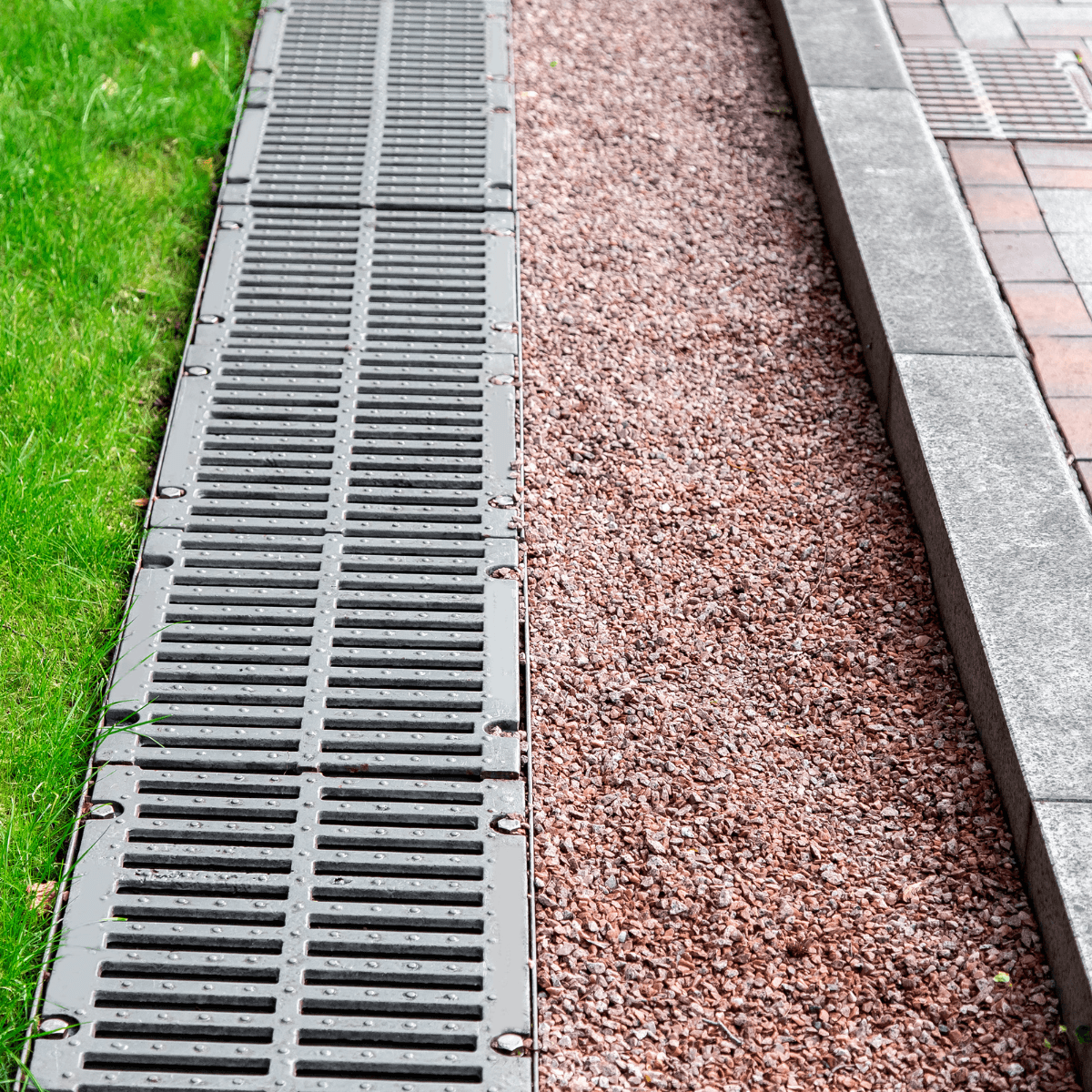
Brick spalling is rarely due solely to age, so effective repairs must address the underlying cause. Failed mortar joints allow water to penetrate behind the brick, weakening the bond and causing the surface to break away. Chimneys are especially vulnerable because wind-driven rain hits them from all sides. Cracked crowns and worn flashing can allow water to enter the chimney. If you require chimney tuckpointing in NC, also inquire about the condition of the crown and flashing. Porous brick can absorb runoff from steps and landings, and downspouts that discharge near masonry worsen the issue during winter rains. Even small gaps around caps, vents, or joints can keep walls damp for extended periods. Improving moisture control extends the life and appearance of repairs. Inspect north-facing walls, as they dry more slowly in winter. Hollow-sounding bricks may indicate trapped moisture, which requires rapid attention.
Repointing Mortar Repair in NC: Restoring Joints the Right Way
Many winter brick problems begin with deteriorating mortar, making repointing an important first step. Repointing involves removing weak mortar and replacing it with new, compatible material, thereby tightening joints and improving water resistance. Homeowners in NC seeking repointing and mortar repair often notice recessed joints and deteriorating mortar. It is important to use mortar that is softer than the brick to prevent additional stress and spalling. Skilled crews carefully grind joints to avoid damaging brick edges, then apply fresh mortar, tool the joints, and match the finish. Once cured, the wall sheds water more effectively. Proper repointing also restores the brick’s clean lines, improving its appearance. Moisture tests can identify water entry points, and color matching is essential, so request sample panels in advance.
Well-executed joints help bricks remain stable during wet, windy winters. Please contact Custom Masonry to confirm that your bricks are stable enough for today’s weather.
When Brick Replacement Is Needed: Contractor Fixes That Last
In some cases, spalling needs more than repointing, especially when brick faces are already compromised. Selective brick replacement can restore both structural stability and curb appeal. A reputable brick repair contractor in North Carolina will match the existing brick’s size, color, and texture while checking for moisture paths or hidden voids behind the wall. Chimney repairs may also include a new crown, cap, or improved flashing to stop water intrusion at the source. Meanwhile, steps and mailboxes often benefit from grading improvements or downspout extensions to reduce splashback during heavy rain. Weep paths and properly tooled joints help walls release moisture rather than trap it. Sealers work best after joints and drainage problems are corrected, not as a shortcut. By addressing the entire system, you prevent recurring damage and protect adjacent stone or concrete, reducing long-term costs.
Custom Masonry can assess the full scope, recommend the right repair method, and deliver a clean, lasting finish. For severely damaged areas, a partial rebuild may be necessary. Proper staging also keeps walkways accessible during repairs.
Why Choose Custom Masonry for Brick Spalling Repair
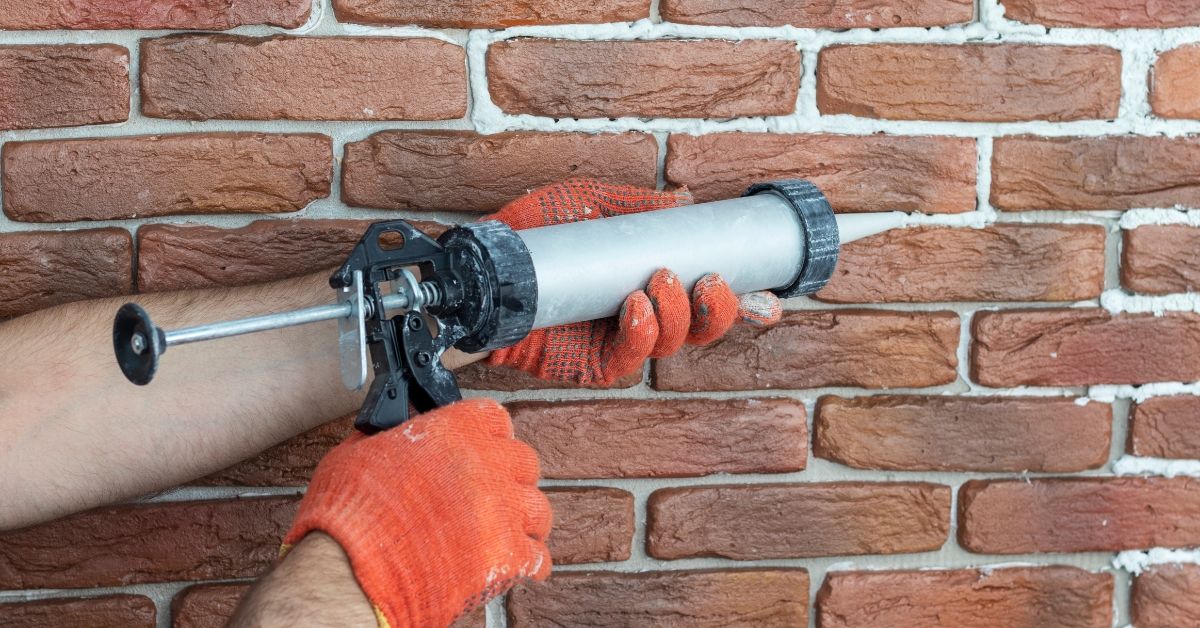
If you notice flaking brick or crumbling mortar this winter, do not wait for spring. Immediate repairs prevent water intrusion and minimize further damage. First, identify where stains or runoff appear after heavy rain, then schedule an evaluation to determine the safest and most cost-effective solution. Custom Masonry provides thorough diagnostics, high-quality craftsmanship, and clear communication. Our team manages repointing, brick replacement, chimney tuckpointing, and related concrete repairs, assuring consistent finishes and proper drainage. You will also receive practical maintenance advice to extend the life of your repairs. For reliable brick spalling repair in North Carolina, choose a local specialist.
Contact Custom Masonry to protect your home and restore its appearance. You will be notified throughout the process, from preparation to final cleanup, granting peace of mind amid unpredictable weather.
Leave A Comment